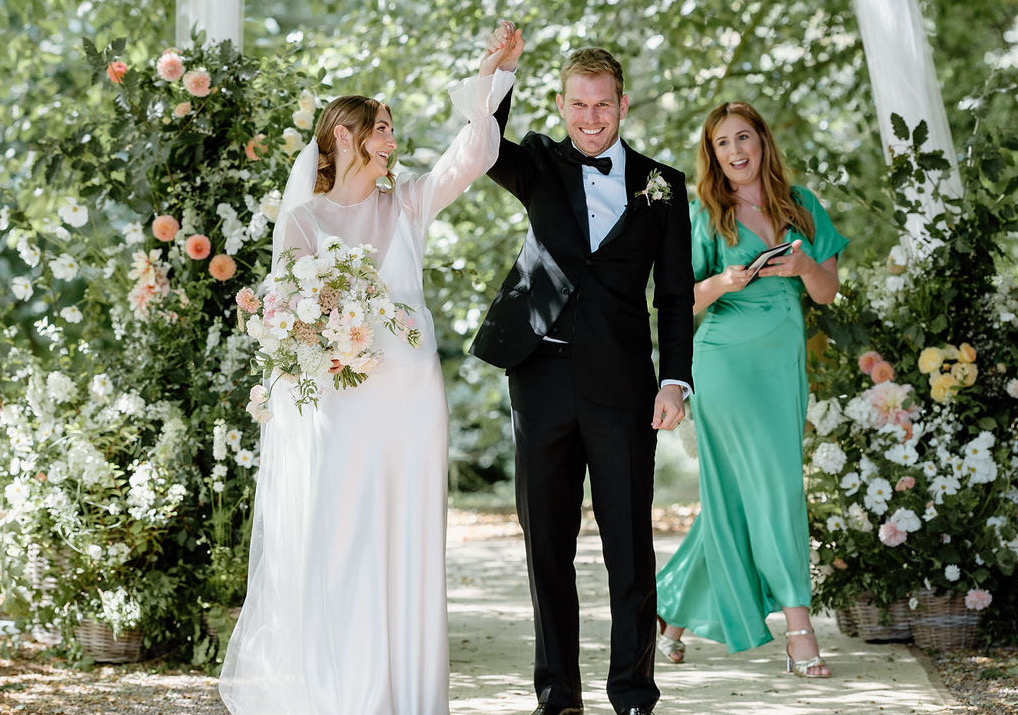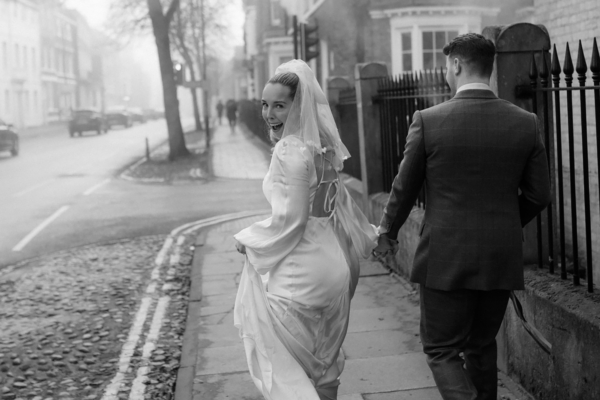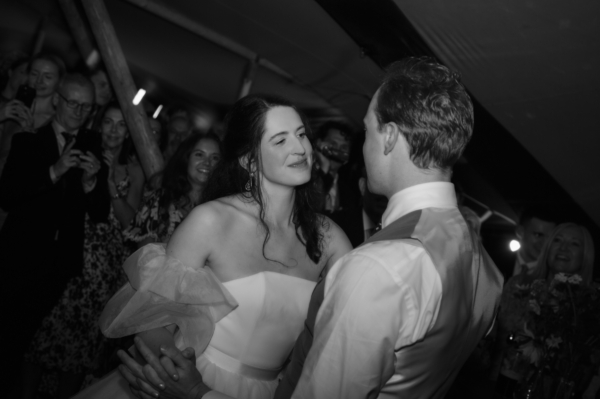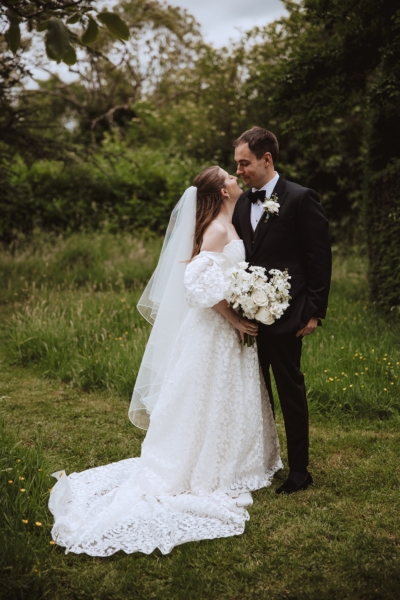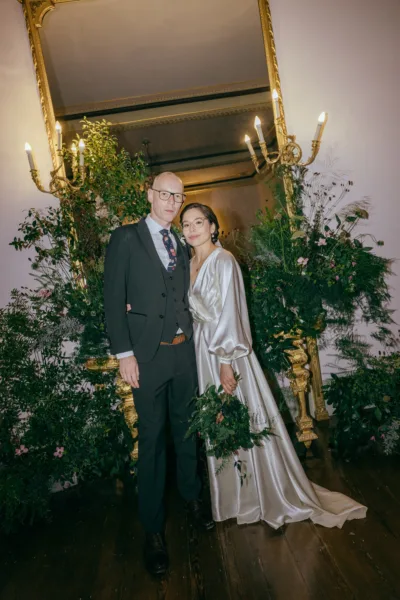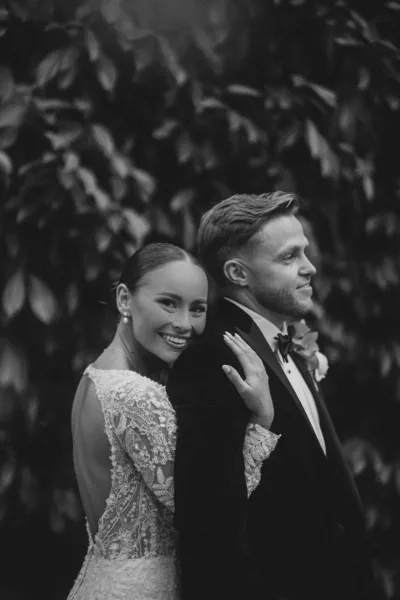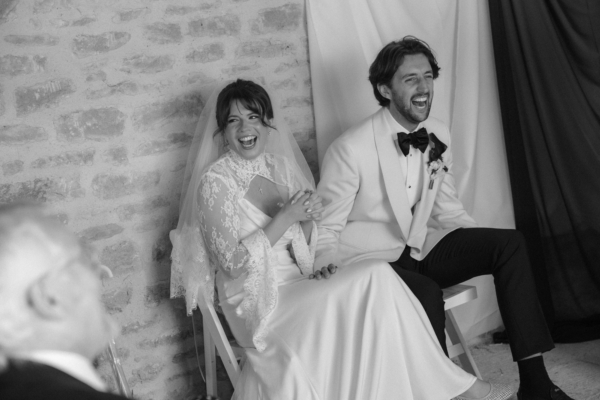


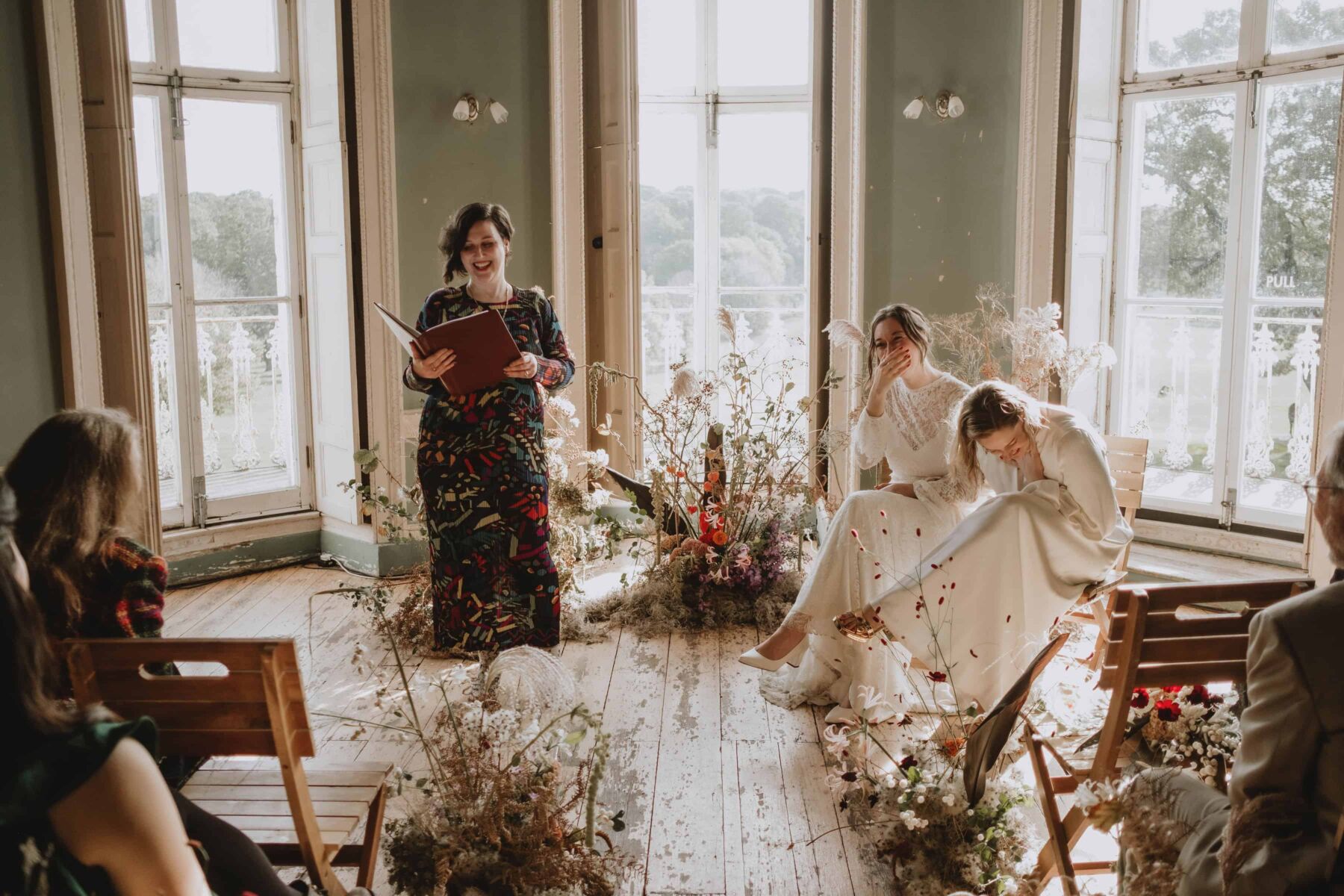
One of the most consistent truths I see, year after year, in the many real weddings we publish, is how much the wedding celebrant shapes the emotional centre of the day.
Time and again, when couples reflect afterwards, they tell us the ceremony was their favourite part. Not because it was the most elaborate or the most expensive, but because it was the moment everything slowed down and the meaning of the day had space to land.
A really good celebrant understands people, language, rhythm and atmosphere. They listen properly, they’re skilled writers and storytellers, and they know how to shape words so they feel truthful rather than performative. They’ve got an innate ability to lead a room without overpowering it, and when that happens, the ceremony becomes the point in the day where couples and their guests feel most present and genuinely connected.
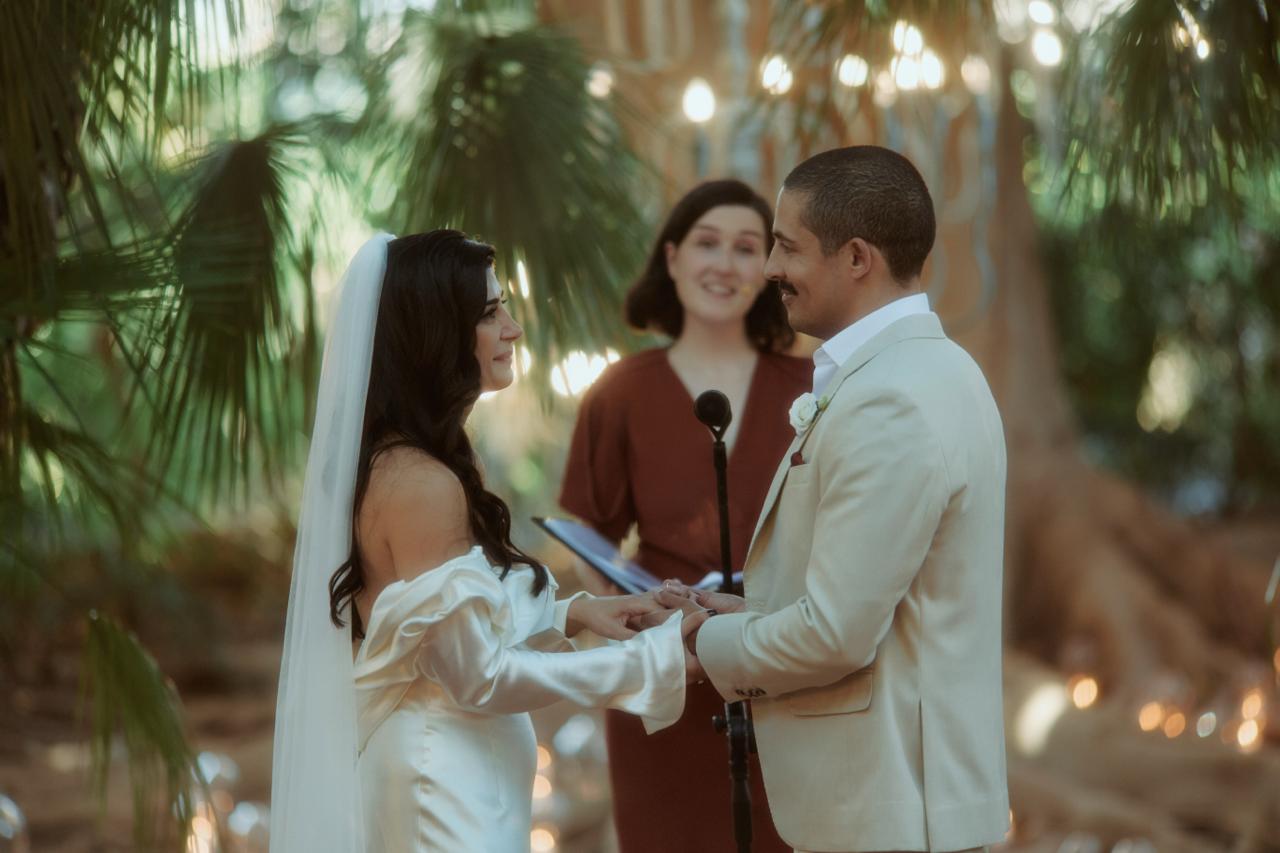
Wedding Celebrant vs Registrar, What’s the Difference?
Let’s start with the basics, because people often use these terms interchangeably, but they aren’t the same role.
A registrar is the legal official who can conduct a legally recognised marriage ceremony in approved places, under the rules for England and Wales.
A wedding celebrant leads a ceremony that’s written to reflect you, often with far more flexibility around structure, tone and location, and it’s usually separate from the legal paperwork.
That doesn’t mean a celebrant-led ceremony is “less real”. It just means the legal part is often handled quietly, and the ceremony you share with your guests is the one you’ve shaped in your own words, led by a person you chose.
Most couples handle this in two simple steps.
First, couples do the legal bit with a registrar, often at a registry office, sometimes with just a handful of witnesses. That’s the part that makes you legally married and covers the paperwork.
Then, couples have their celebrant-led ceremony as the main moment of the day, with their guests there. That’s the ceremony you create together, in your own words, in a place and style that feels like you.
So, think of it like this, registrar equals the legal marriage, celebrant equals the personal ceremony.
What Does a Wedding Celebrant Do?
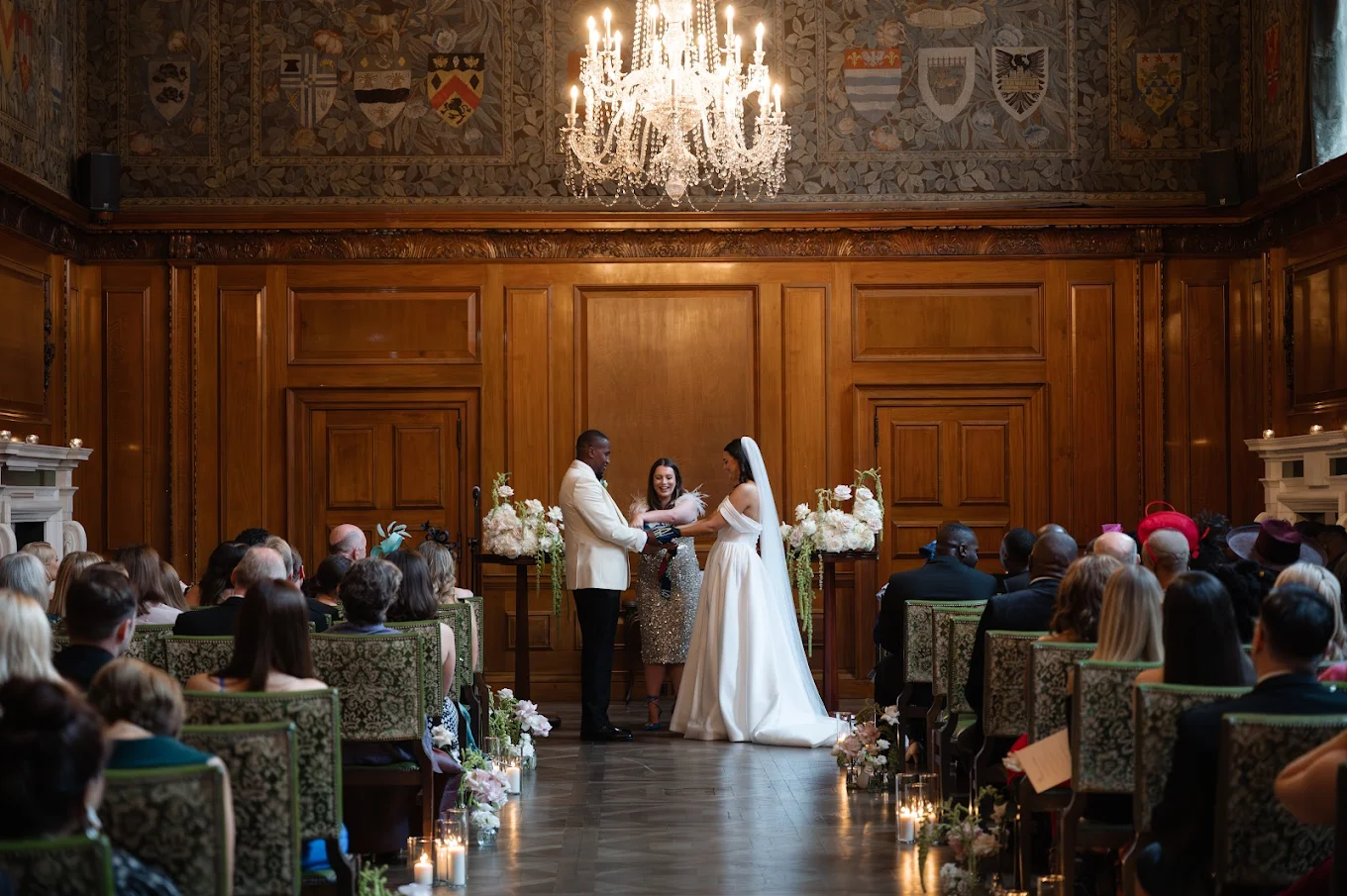
A wedding celebrant creates and leads your ceremony. It sounds simple, but in reality it’s one of the most influential roles in the whole day, because it’s the celebrant who shapes how the ceremony feels in the room.
A good celebrant will:
- take time to get to know you properly, not just the basics
- write your ceremony from scratch, so it reflects your relationship, your tone, and the way you speak and move through the world
- shape the structure and pacing, so it feels natural, not rushed, not overlong, and never awkward
- help you find the right tone, whether that’s warm, light, funny, heartfelt, or a blend that feels true to you
- guide you through vows, readings and any personal rituals, and help you choose what fits, and what doesn’t
- hold the room on the day, so your guests feel included and connected, rather than like they’re watching a performance
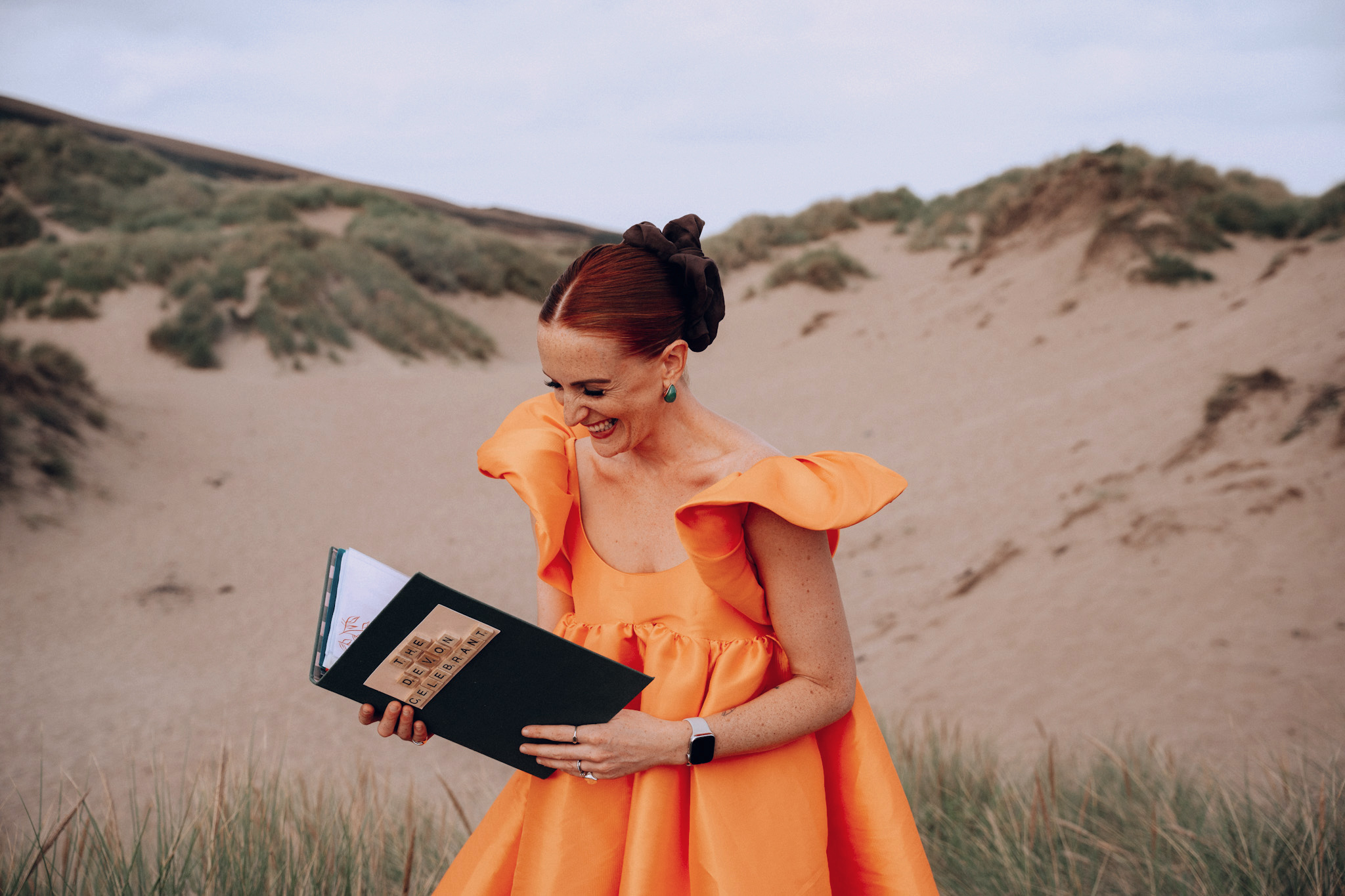
What Makes a Good Wedding Celebrant?
This is one of the most important choices you’ll make, because the celebrant sets the emotional tone for the whole day. You can have the most beautiful setting in the world, but if the words don’t feel like you, the ceremony can still fall flat.
The best celebrants start with care. They listen properly, not just to the highlights, but to the small things that tell the truth of who you are together. They ask thoughtful questions, they notice what matters to you, and they make it feel safe to be yourselves. You shouldn’t come away from a conversation feeling like you’ve delivered “content”. You should feel understood.
They’re also skilled writers. A good ceremony doesn’t sound like a wedding script, it sounds like real people. It has warmth, humour where it belongs, and space for emotion without pushing it. The words feel natural spoken out loud, and they don’t lean on clichés or exaggerated sentiment to try to make the room feel something.
Then there’s pacing, which is where so many ceremonies lose people. Too long and guests drift. Too fast and nothing lands. The right celebrant knows how to shape a ceremony so it breathes, how to pause at the right moments, how to let laughter settle, and how to give meaning the time it needs.
Most importantly, they’ve got presence without ego. They can lead a room with calm confidence while keeping the focus exactly where it should be, on the two of you, and the commitment you’re making. When that happens, the ceremony becomes more than a formal start to the day. It becomes the moment everyone remembers, because it’s the moment that feels most real.
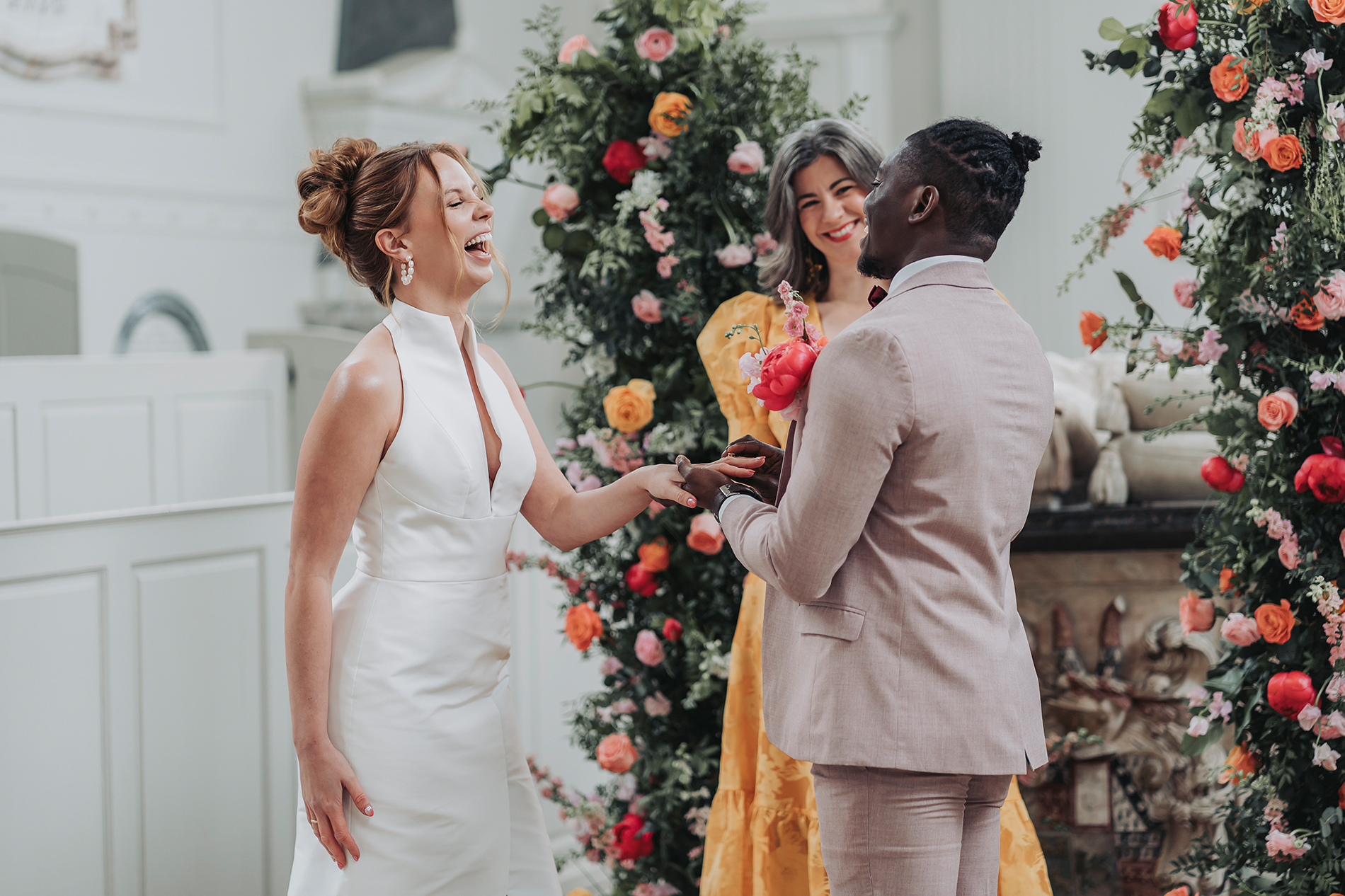
How to Choose a Wedding Celebrant
Choosing a celebrant isn’t like booking a supplier to deliver a product. It’s closer to choosing the person who’ll help you articulate something you might not have words for yet. You’re choosing tone, judgement and emotional intelligence, and you’re choosing someone you’ll trust to stand with you in the most public, vulnerable, meaningful moment of the day.
Here’s how to choose well, without overthinking it.
Start with our directory listings, then spend time on each celebrant’s website and Instagram. Read how they write, listen to how they speak, and notice the kind of ceremonies they create. This part of planning can actually be a joy, because it’s where you start finding the people who feel right for you, the ones who’ll understand your values and help bring your day to life in a way that feels natural and true.

Read their writing properly
Don’t judge from a couple of pretty quotes on Instagram. Ask to read a full sample ceremony, or at least a longer excerpt. You’re listening for voice. Does it sound like real people when spoken out loud? Does it feel specific, or could it belong to anyone? If the language is full of generic romance, grand statements, and dare we say, Chat-GPT generated prose and things you’d frankly never say, it won’t suddenly feel right on the day.
Listen for tone, not performance
A celebrant can be confident and still be wrong for you. If you can, watch a clip or listen to them speaking. You’re not trying to book someone to “entertain” your guests. You’re listening for whether they sound like a real person, using real language, and whether they make the moment feel comfortable rather than self-conscious.
The right celebrant won’t rush. They won’t over-talk. They won’t try to squeeze laughs out of every line or push emotion until it feels forced. They’ll speak clearly, give the important moments space, and keep the focus on you, not on them.
Ask how they get to know you
This is where the quality gap often shows. Ask what their process actually looks like. How do they gather your story, do they ask questions that feel thoughtful, do they spend time with you, how do they handle sensitive details, what happens if you don’t want certain things mentioned, how do you collaborate on the shape and structure?
If it’s all very packaged and fast, you’ll get something that feels packaged and fast.
Find out what collaboration really means
Some celebrants talk about collaboration but still do most of the writing in isolation. Ask how many drafts you’ll see and how feedback works. You should feel like you’ve got control over the tone and content, without having to write the ceremony yourself. A good celebrant will guide you, then refine and edit until it feels right.
Pay attention to how you feel after they speak
This is the bit couples often ignore, but it matters most. After that first call, do you feel calmer? More certain? More like yourselves? Or do you feel like you’ve just been taken through a sales conversation?
You’re looking for someone who puts you at ease straight away, someone you can be yourselves with, without trying to sound a certain way or perform your relationship back to them. You should feel listened to, not handled.
Because on the day, they won’t just be reading words, they’ll be representing you. They’ll be speaking about your relationship in front of the people you love most, and guiding you through a moment that’s emotional, public and incredibly personal. If you finish that first chat thinking, yes, I’d trust this person with that, you’re on the right track.
UK Marriage Law Reform: What This Could Mean for Your Wedding
This is worth understanding as you plan your wedding, because it helps explain why celebrants are being talked about more, and why couples are being given more freedom over how and where they marry.
Right now, marriage law in England and Wales is largely built around places. Certain buildings are licensed for weddings, and the legal authority sits with those venues and the registrars who work within that system.
What’s changing, or at least clearly moving in that direction, is a shift away from the building and towards the person leading the ceremony.
In simple terms, the focus is moving from ‘is this venue licensed?’ to ‘is the officiant properly authorised?’. If and when this change is fully introduced, it means you’ll have far more flexibility over where you marry, while still keeping the legal safeguards that matter.
It also means more choice around the kind of ceremony you have. The intention is to make it easier for a wider range of religious ceremonies to be legally recognised, and to allow non-religious belief ceremonies, such as Humanist weddings, to become legally binding for the first time.
A few important things to keep in mind as you plan’
Not all of this is law yet. Changes to marriage law take time, and any new system will be introduced gradually rather than overnight. However, this direction isn’t theoretical – you’ve already seen it in practice. Outdoor civil weddings, once only allowed temporarily, are now a permanent option. That shift alone has changed how many couples think about their ceremony setting.
So what does this mean for you?
As the focus moves more towards the officiant, the person leading your ceremony becomes even more important. Your location may become more flexible, but the quality of the ceremony will always come down to who’s holding the moment, shaping the words, and guiding you through one of the most meaningful parts of the day.
That’s exactly why choosing the right celebrant matters now, and why it’s likely to matter even more in the years ahead.
EXPLORE THE DIRECTORY
Book your venue & suppliers before someone else does
What Is a Celebrant-Led Wedding Ceremony?
A celebrant-led ceremony can be whatever you need it to be.
It can be simple and low key, or full of gravitas. It can be warm and funny without becoming a performance. It can include readings, rituals, cultural traditions, or none of the above.
It can also take place almost anywhere, a private garden, a field, woodland, a family home, a coastal spot that means something to you. What matters isn’t the backdrop, it’s the care put into the words, and the person guiding the moment.
Why Your Wedding Ceremony Can Be the Best Part of the Day
The ceremony is the one point in the day where everyone is focused on the same thing at the same time.
It’s also the moment where the noise drops. The wedding stops feeling like an event you’re managing and becomes something you’re actually experiencing. When it’s done well, you’ll remember not just what was said, but how the room felt, the stillness, the laughter, the lump-in-the-throat moments, the sense of everyone being right there with you.
That’s why couples so often tell us it was their favourite part. Not because it was the most polished, but because it was the most real.
Seriously – dive into our real weddings and you’ll see time and time again the bride referencing the ceremony as her very favourite part of the day.
Wedding Celebrants We Recommend in the Love My Dress Wedding Directory
The Love My Dress Wedding Directory includes a carefully curated selection of celebrants we’re exceptionally proud to recommend.
Each one understands the responsibility of this role and approaches it with intelligence, sensitivity and genuine care for the people standing in front of them. They know how to create ceremonies that feel human, personal and grounded, memorable and magical, without turning them into performances or stripping them of meaning.
If you’re at the stage of choosing your celebrant, we encourage you to browse our directory, read a few profiles, visit websites, and listen to how different celebrants write and speak. You’ll quickly get a feel for the tone that suits you, and for the person you’d trust to lead the most meaningful part of your day.