

Born in 2002, Don’t Tell the Bride was a defining reference point for me growing up. For those unfamiliar, the BBC Three show saw an engaged couple being given a certain amount to spend on their wedding, the twist being the groom must plan every detail by himself while staying apart from his bride-to-be.
Funny, yes. Tragic, definitely. And in hindsight, revealing. It centred a version of romance built on control, or a lack thereof, rather than collaboration, and framed that imbalance as entertainment.
I’m not sure it was ever designed to be quite so resonant, but now, surrounded by peers on the brink of engagement, I see its themes rearing their heads. In fact, I was reminded of it (and therefore got the idea for this article) when on a recent trip to Paris with my partner.
We’ve always been transparent about our vision for the future, with an undercurrent of certainty that we would spend that future together. For us, together and individually, marriage has always seemed an important way to make that commitment. We’ve talked about what a proposal would look like, who will be in the wedding party, where the ceremony will take place, bookmarking beautiful hotels as inspiration for our honeymoon. We even have an agreement that he’ll receive a watch of equal value to my engagement ring (a lovely idea based on equity, though one I’m starting to regret as the likelihood of a proposal grows).
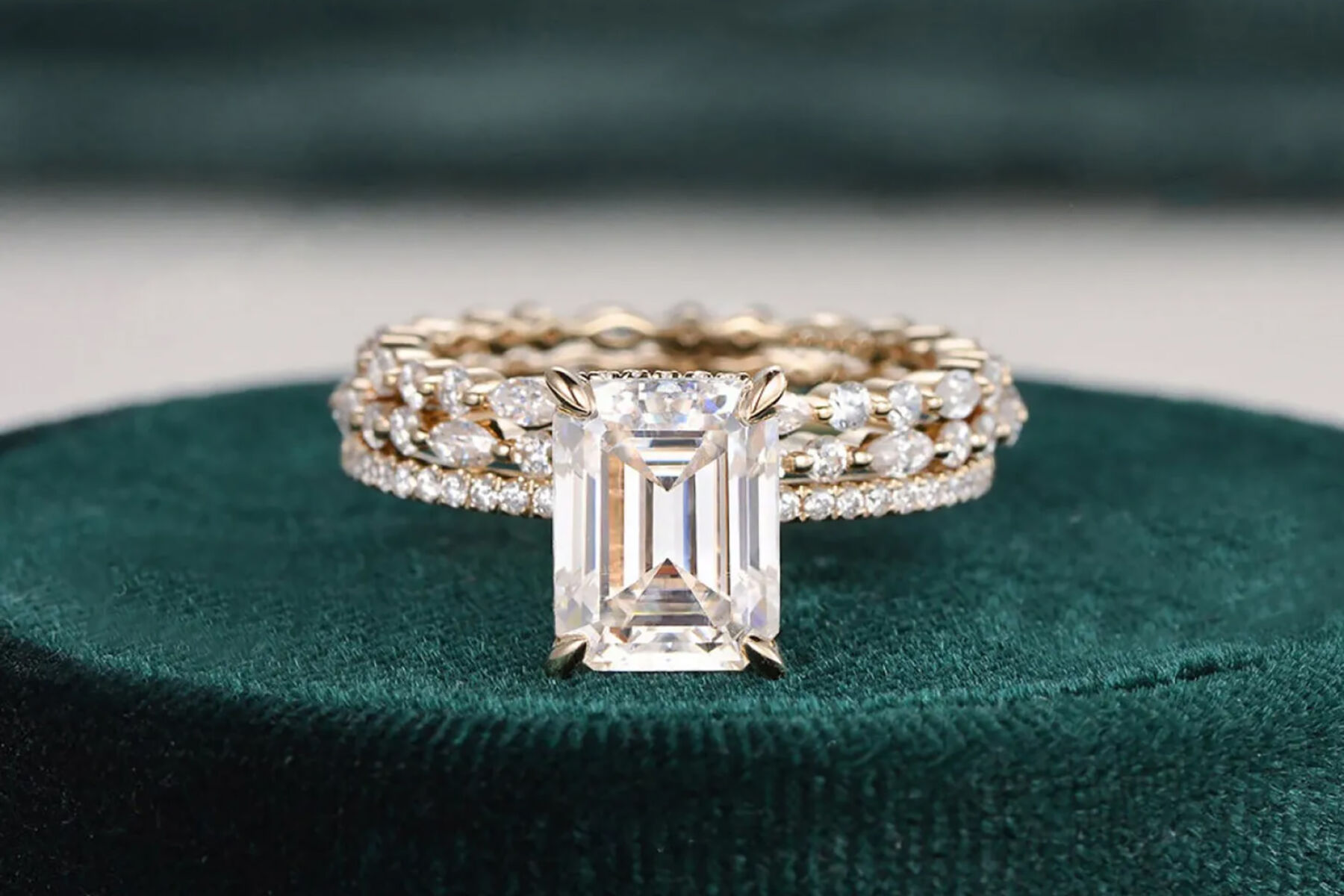
This means that I know the budget. For some, this is controversial in itself, though realistically with a shared bank account such a big ticket item would be hard to hide. So, when we strolled past a little jeweller near our hotel in Saint-Germain, we shared a conspiratorial smile and popped inside.
SAVE £20 WITH GATHER
Use Code LMD20, ends 31st January
To be clear: we’re not engaged. Again, another point that raises eyebrows. But, and this might very well be the Don’t Tell the Bride trauma talking, I didn’t want to miss out on this moment of excitement, of anticipation, of joy about the life we’re starting together.
Because why shouldn’t it start together?
I hear the criticism: it’s non-traditional, unconventional. I’m being overbearing, assumptive. He might feel emasculated, or like the fun of the surprise has been lost.
But, to us, the engagement isn’t just the start of the all-important wedding planning process; it symbolises the start of the marriage. So, is it not entirely valid to want to make that life-altering decision, in all its sparkling glory, together?
I know I’m not alone in wondering that. In fact, online jeweller Diamonds Factory revealed that, in over 53% of cases last year, an engagement ring shopper was accompanied by their own partner. It’s a trend that’s been dubbed ‘quiet proposing’, defined by couples who value transparency, communication and shared decision-making over tradition for tradition’s sake.
This taps into a broader mindset shift: Wedded Wonderland reports that the majority of Gen-Z couples say their wedding must “reflect their identity”, not merely follow tradition. I don’t go in for generational labels, but I agree there has been an evolution, with modern couples prioritising intimacy over grandeur, authenticity over performance, meaning over perfection. What’s emerging is a recalibration of what a wedding is for: less a spectacle to be seen, more a ritual to be felt. An intricate and deeply personal balance of old and new, carrying across what makes sense for them, and leaving behind what doesn’t without apology or willingness to compromise.
In that context, me choosing my own ring really isn’t that groundbreaking. I’m the one who’ll have to look at it for the rest of my life, after all. So, why not extend the modern mindset into the engagement’s prelude? Why not redefine your proposal on your own terms, forming shared memories rather than surprises? I know for me, being a part of that experience has unlocked more moments of excitement, celebration, and togetherness than doing it apart would have.
And that, to me, feels like exactly the right way to begin a marriage: with the freedom to live on our own terms.
Main image by Frances Mary Sales