


I was recently reading about the sale of the lifestyle platform SheerLuxe, which has been acquired by media group Future in a deal worth tens of millions. What an incredible and inspirational achievement – huge congratulations to founder Georgie Coleridge-Cole and her team. It’s a great read, but one phrase within the article stood out; “Google Zero” – a phrase coined in 2024 by technology journalist Nilay Patel.
What Google Zero actually means
In simple terms, a “Google Zero” brand is one that doesn’t rely primarily on Google search traffic in order to reach its audience. Instead, its readership arrives through direct relationships with the publication itself. That relationship might exist through email newsletters, social media communities, recommendations between readers, or simply through habit. Readers return because they know the platform, trust its editorial voice and enjoy the experience of spending time there.
The concept is becoming increasingly relevant as the way people discover information online continues to evolve. Google is no longer simply a search engine that directs users towards websites. Increasingly, it answers questions directly within its own interface through AI generated summaries and instant responses. The intention is clear; keep users within the Google environment for as long as possible.
For many publishers, this shift presents a challenge, because if Google answers the question itself, fewer people feel the need to click through to the original source.
The content Google can’t replace
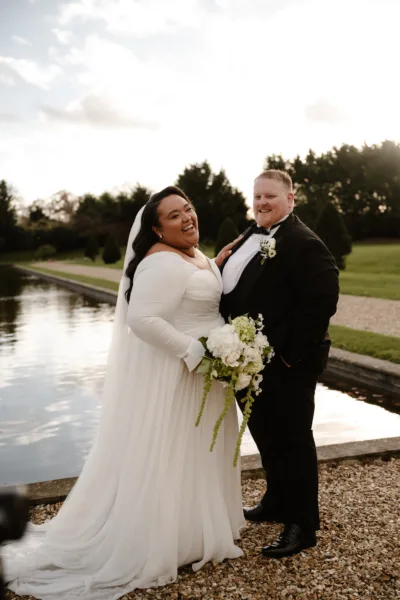
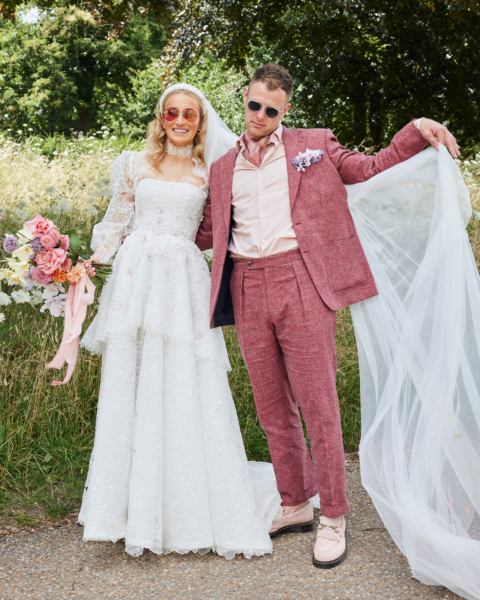
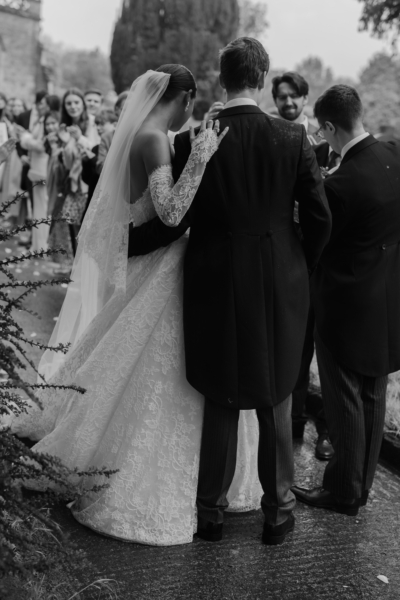
A “Google Zero” brand sidesteps this problem because its audience arrives through direct relationships rather than search queries. But there is another reason too. The kind of content these platforms publish simply cannot be meaningfully reduced to a short AI summary. Real weddings, personal stories and creative work are not questions with simple answers, they are experiences people want to spend time with. An AI overview might be able to summarise a list of wedding venues or explain the steps in a basic wedding planning checklist, but it cannot replicate the experience of reading a couple’s story, exploring a photographer’s imagery or discovering the thoughtful details behind a celebration.
In other words, the reader still needs to visit the source.
That distinction is important. AI can summarise information, but it can’t replace editorial storytelling or the visual inspiration that sits at the heart of platforms like Love My Dress. Our readers aren’t looking for quick answers that can be skimmed in a paragraph. They come to explore ideas, spend time with beautiful imagery and immerse themselves in stories that help them imagine their own wedding day. And that gave me reason to reflect on where Love My Dress sits within this landscape.
Where our readers actually come from
While search traffic remains an important part of our visibility, a significant proportion of our readership does not arrive via Google at all. Our analytics show that well over 40% of our sessions come from sources other than Google search. Some of these are recorded as direct visits, meaning readers are typing the address into their browser, returning via bookmarks or saved favourites within their Love My Dress account dashboard, opening links from email newsletters or arriving through private link sharing between friends and colleagues.
In other words, a large portion of our audience already knows where they want to go, and that kind of behaviour usually signals something very simple but very powerful. It suggests familiarity, trust and returning readership built over time, something Sheer Luxe does superbly. And after more than sixteen years of independent publishing, Love My Dress has had the opportunity to build exactly that kind of relationship with its audience.
Many readers arrive through our email newsletters, our social media channels or by visiting the site directly. Others discover us through recommendations from friends or through suppliers whose work has been featured on the platform. In other words, they arrive through reputation and relationships rather than purely through search.
That distinction matters more now than it ever has.
When couples spend time reading Love My Dress, they are rarely doing so because they typed a broad phrase such as “wedding ideas” into Google. More often they are already familiar with our publication, or they’ve been directed to a particular feature by someone they trust. They are choosing to spend time with the content rather than simply scanning search results for quick answers.
The role SEO still plays
At the same time, it’s important to acknowledge that none of this means search visibility is suddenly irrelevant, far from it. Strong SEO remains one of the foundations of long term digital visibility, particularly when it comes to evergreen content. Thoughtfully written long form content continues to perform well because it provides the depth, structure and clarity that both search engines and AI systems rely upon. When an article properly explains a topic, connects related ideas and offers genuine context, it becomes far easier for those systems to interpret and surface. That kind of editorial content doesn’t simply generate a brief spike of traffic when it is first published, it continues to be indexed, referenced and rediscovered over months and years.
So SEO absolutely still matters.
But the key distinction is this; businesses that rely solely on search traffic are increasingly vulnerable to the ways in which search behaviour is evolving. Algorithms change, formats shift and AI summaries sometimes answer questions without sending readers through to the original source. Platforms like this one, that combine strong search authority with a loyal, direct readership, operate very differently. Their visibility doesn’t depend on a single discovery channel.
Love My Dress sits precisely within that intersection. Our long form editorial continues to perform strongly in traditional search results and contributes to the wider ecosystem of information that AI systems now draw from. At the same time, a substantial proportion of our audience arrives through entirely different routes: through email, social media, recommendations and returning readers who visit the platform directly. Search helps people discover Love My Dress, but the relationship with our readers does not depend on it alone, and that is exactly what makes editorial platforms like this valuable for wedding businesses.
Why having your wedding business featured in the right places matters more than ever
For many years, digital marketing advice centred almost entirely around search engine rankings. The thinking was simple: if your website ranked highly for certain keywords, couples would find you. But the modern internet is shifting, and rapidly so, and if you are a wedding business owner, it will pay for you to make time to understand what’s happening. Search engines are increasingly becoming answer engines. AI generated summaries sometimes remove the need for users to click through to the original source at all. Even when people do visit a website via search, they often skim quickly before returning to the results page.
What brands increasingly need isn’t just visibility, but context and credibility.
This is where established editorial platforms like Love My Dress continue to play a vitally important role. When a wedding business appears on Love My Dress, they aren’t simply another result in a long list of links; they are introduced within an editorial environment that couples already enjoy spending time with and have come to trust. Their work is seen alongside carefully written real weddings, thoughtful storytelling and the work of other respected creatives. That context really matters. It places their business within a narrative that helps couples understand not just what they do, but why it matters.
There is also the practical reality that established editorial platforms carry strong authority online. Articles, features and directory listings published on Love My Dress are indexed across search engines and surfaced within the wider discovery ecosystem that now includes AI tools like ChatGPT, Perplexity and Claude.
AI can summarise information. Editorial storytelling creates desire. And when couples are planning a wedding, it’s that sense of inspiration and connection that ultimately shapes the decisions they make.
In a world where algorithms increasingly determine what gets seen and what disappears, being part of a respected publication isn’t simply about marketing. It’s about positioning your work within a trusted space where couples are already very intentionally present and listening. And that is precisely the kind of editorial position platforms like SheerLuxe, and indeed Love My Dress, have spent many years building.
If you would like to have a chat about how we can help and support your wedding business, please register here.
Read more business articles in our For The Wedding Industry section.
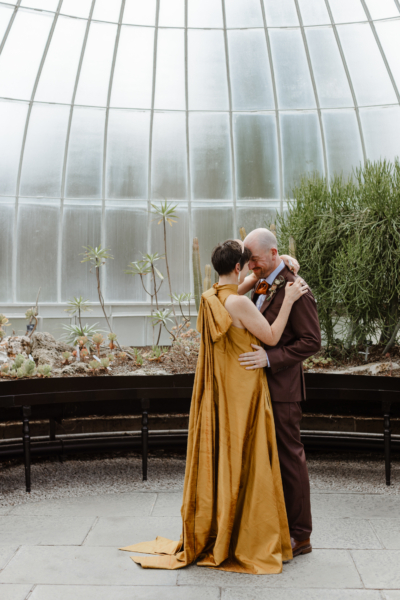
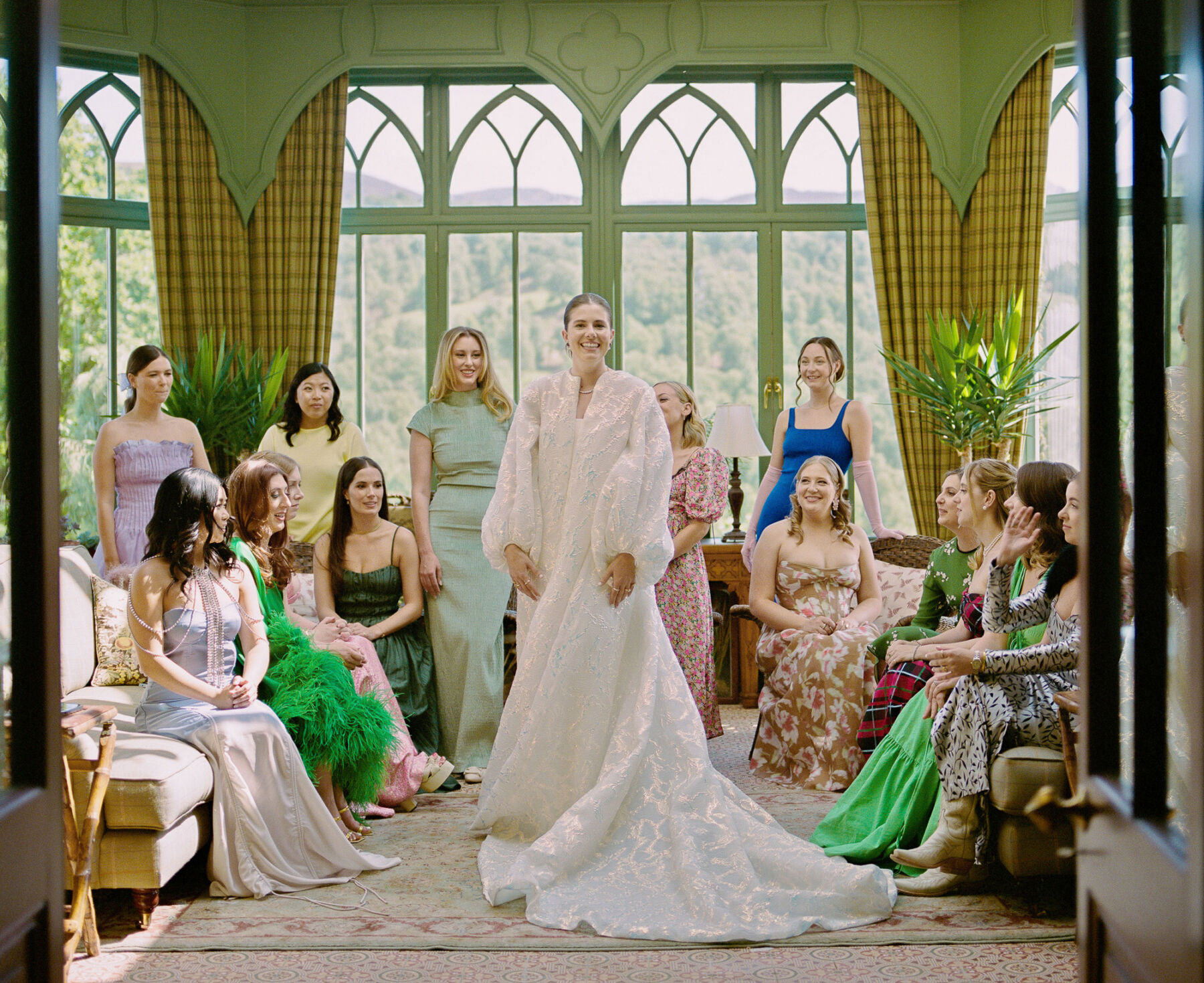
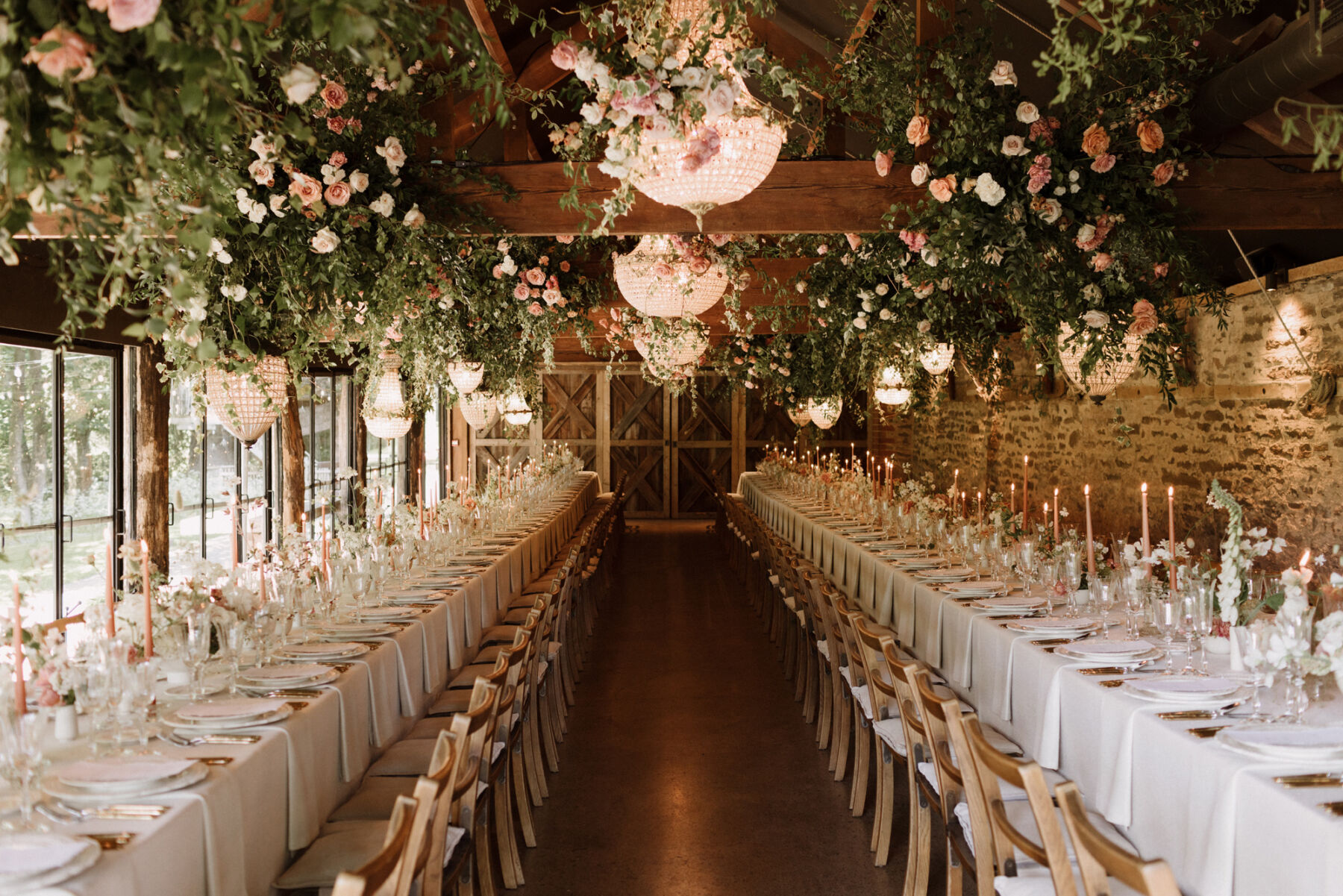
Main image by Love My Dress recommended supplier/vendor and analogue film wedding photographer, Stefano Santucci.