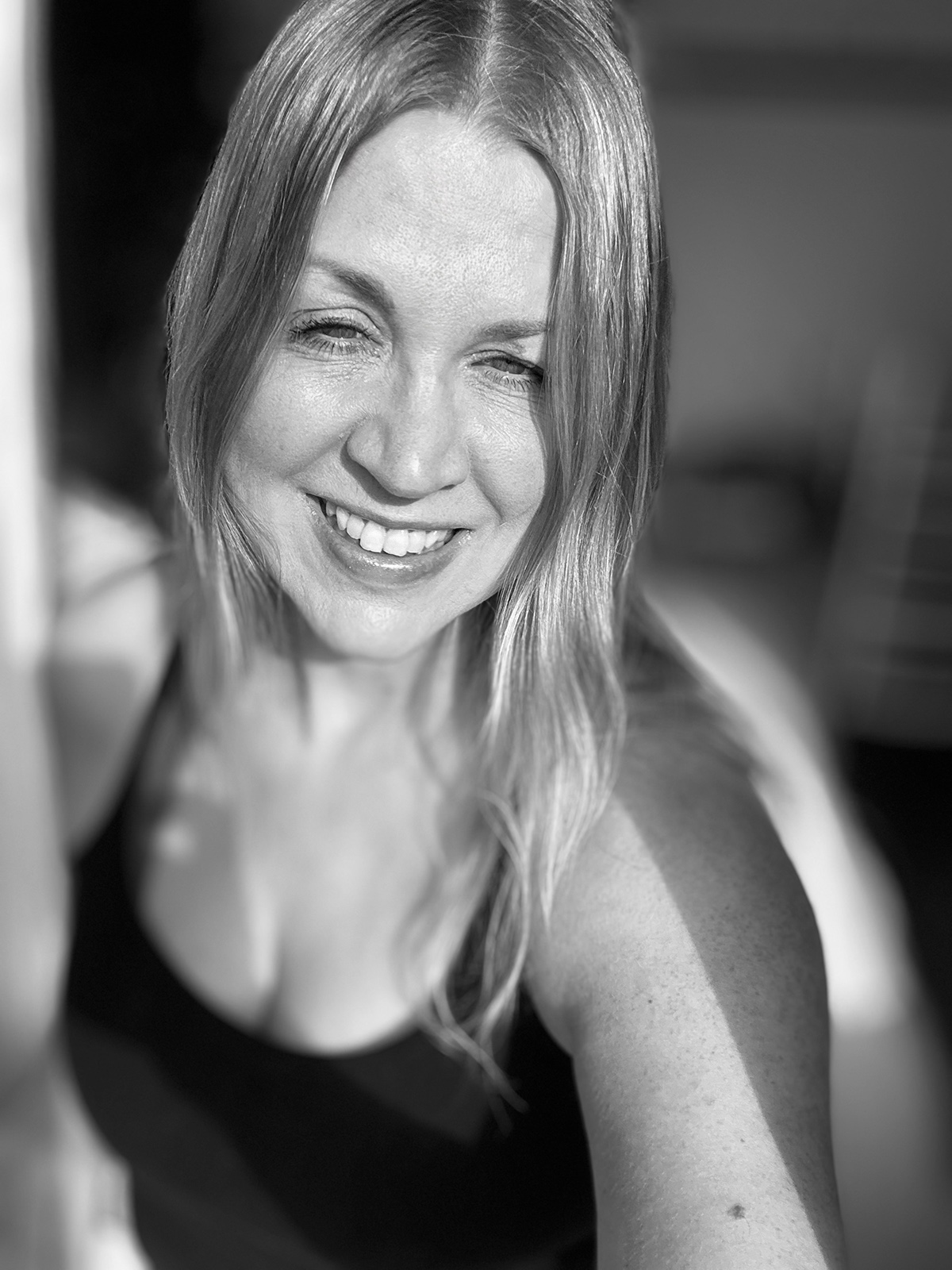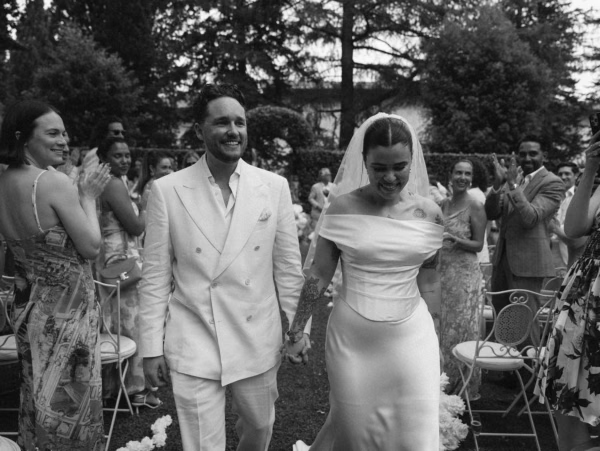


It’s a pleasure to introduce you to Kseniia Sokolenko, a talented London wedding photographer and recommended member of our Love My Dress Wedding Directory, whose beautiful work brings together editorial wedding photography, thoughtful composition and a genuine appreciation for human connection.
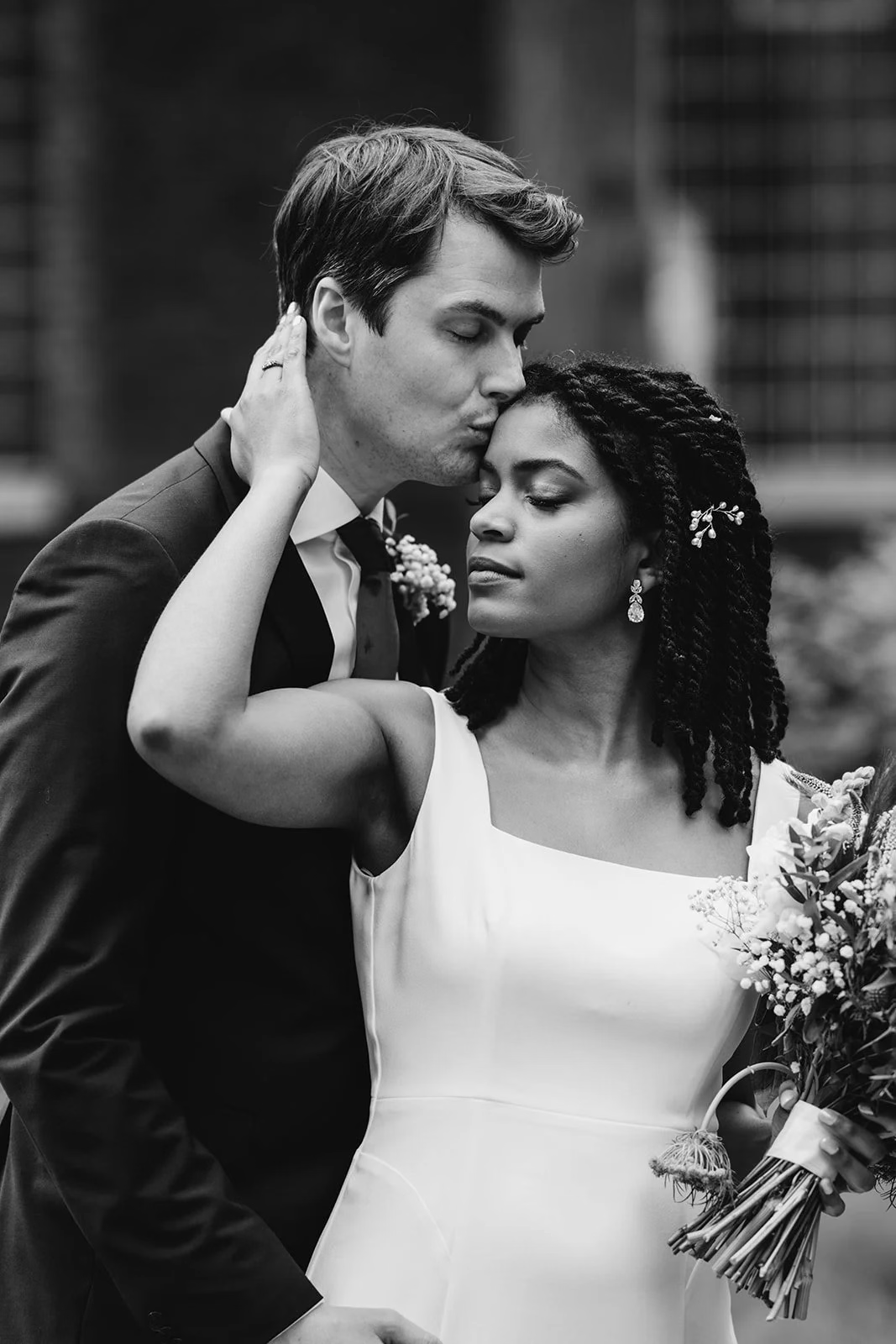
Kseniia has a particularly lovely way of combining artistic, fashion-inspired portraits with the spontaneous, emotional moments that make a wedding so personal. Her appreciation for architecture, beautiful light and considered details is evident throughout her photography, but so too is her understanding of how important it is for couples to feel comfortable, relaxed and able to enjoy their day.
In this interview, we get to know Kseniia a little better, exploring her creative approach to wedding photography, how her own wedding inspired her career and why she believes the most meaningful photographs often capture moments couples didn’t even realise were happening. I’m delighted to share more of her work and story with you today.
Kseniia Sokolenko Photography
The Need To Know
Kseniia Sokolenko Photography brings together editorial portraiture and documentary wedding photography, with an emphasis on beautiful light, thoughtful composition and genuine human connection.
Kseniia’s approach combines careful preparation with an instinct for spontaneous moments, creating artistic, expressive photographs without making couples feel uncomfortable or overly posed. Her work is particularly suited to couples who appreciate creative photography but want to enjoy their wedding without spending too much time in front of the camera.
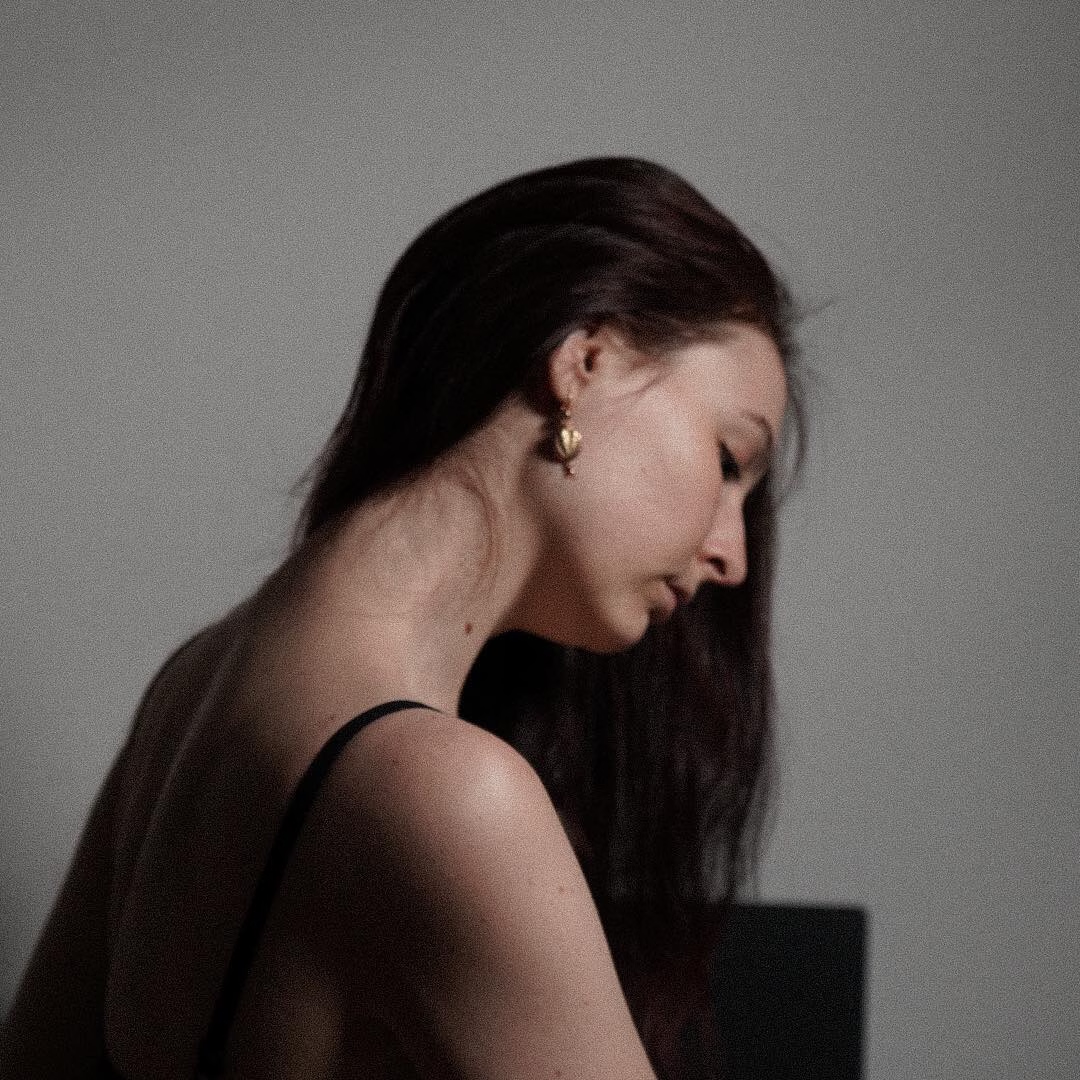
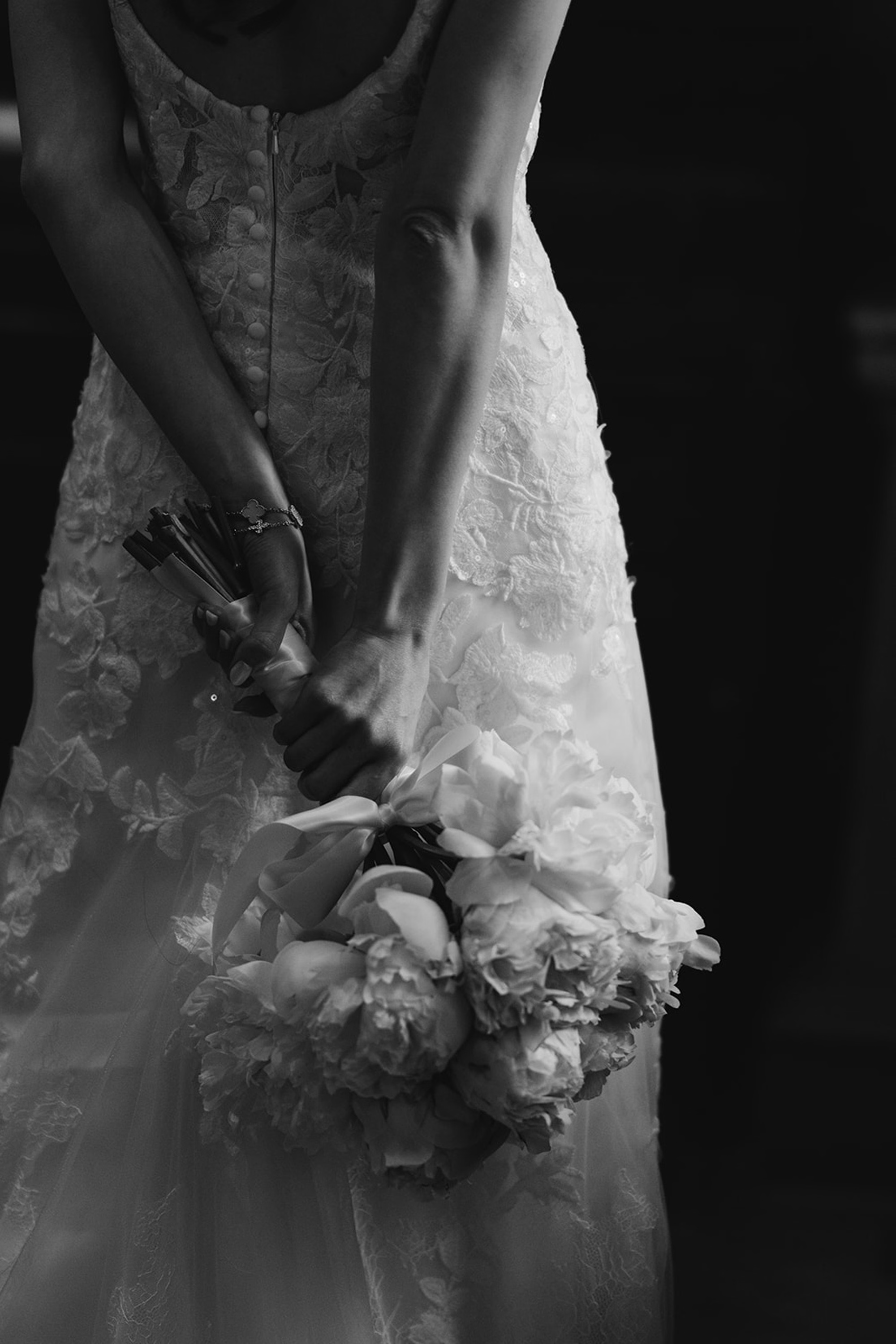
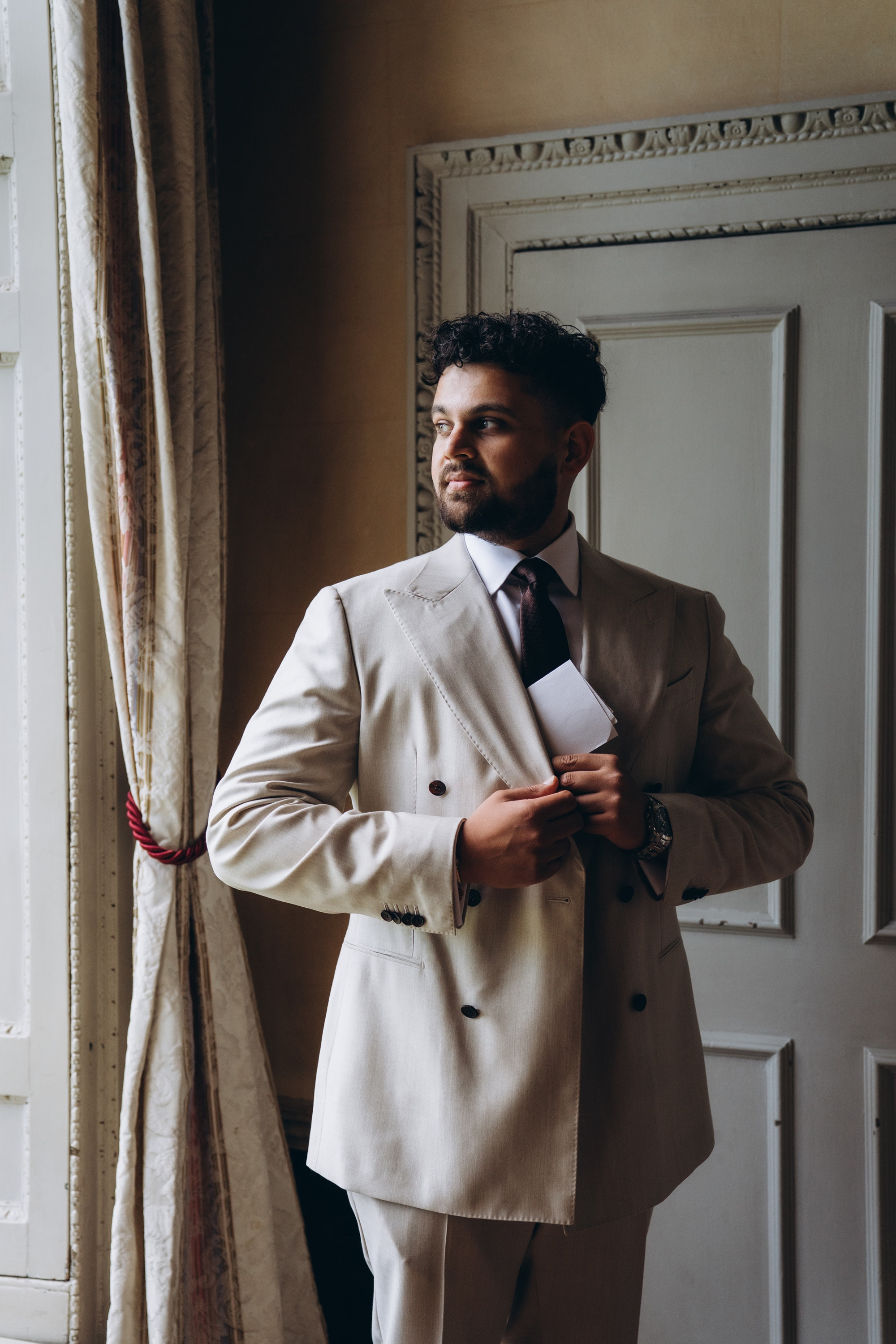
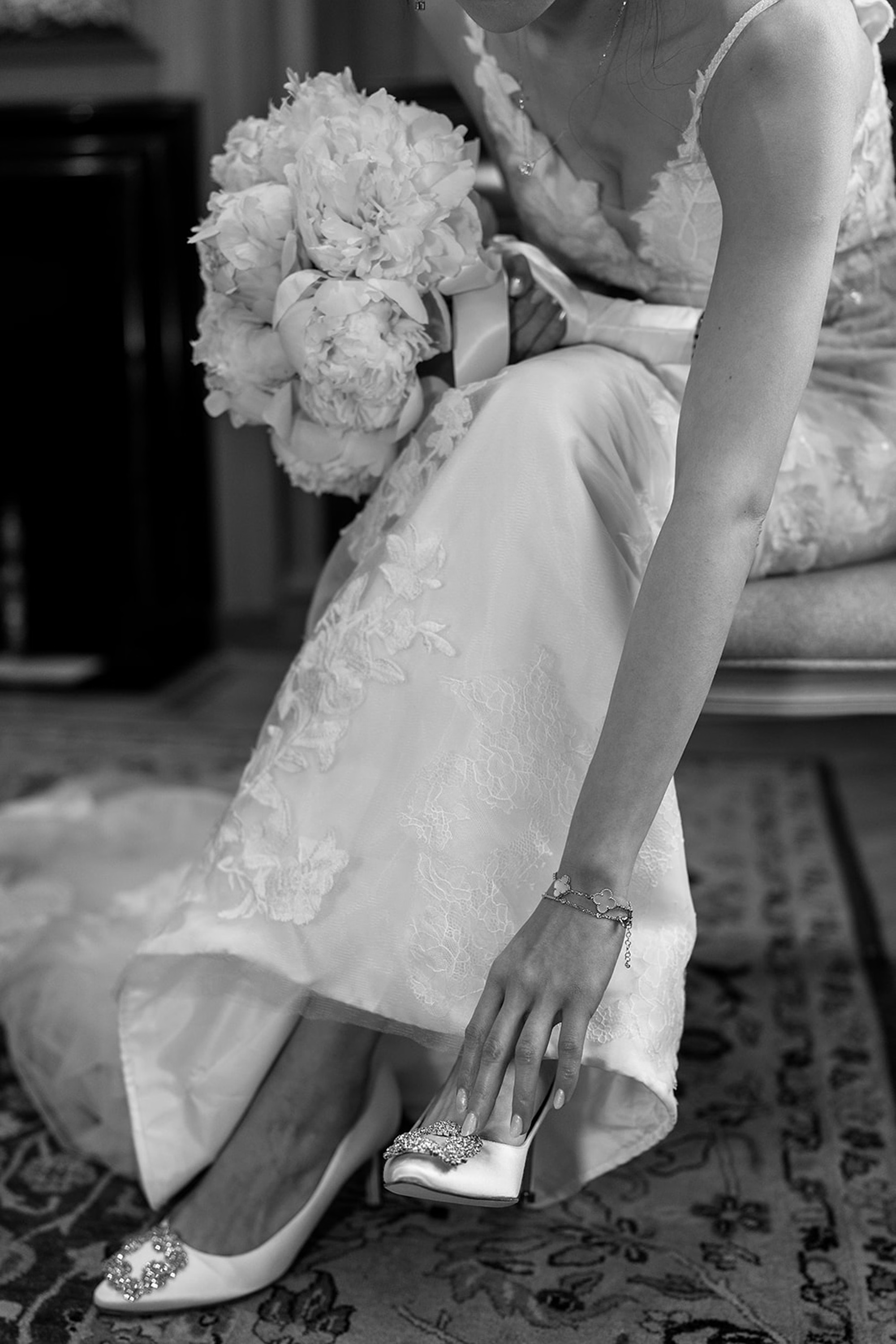
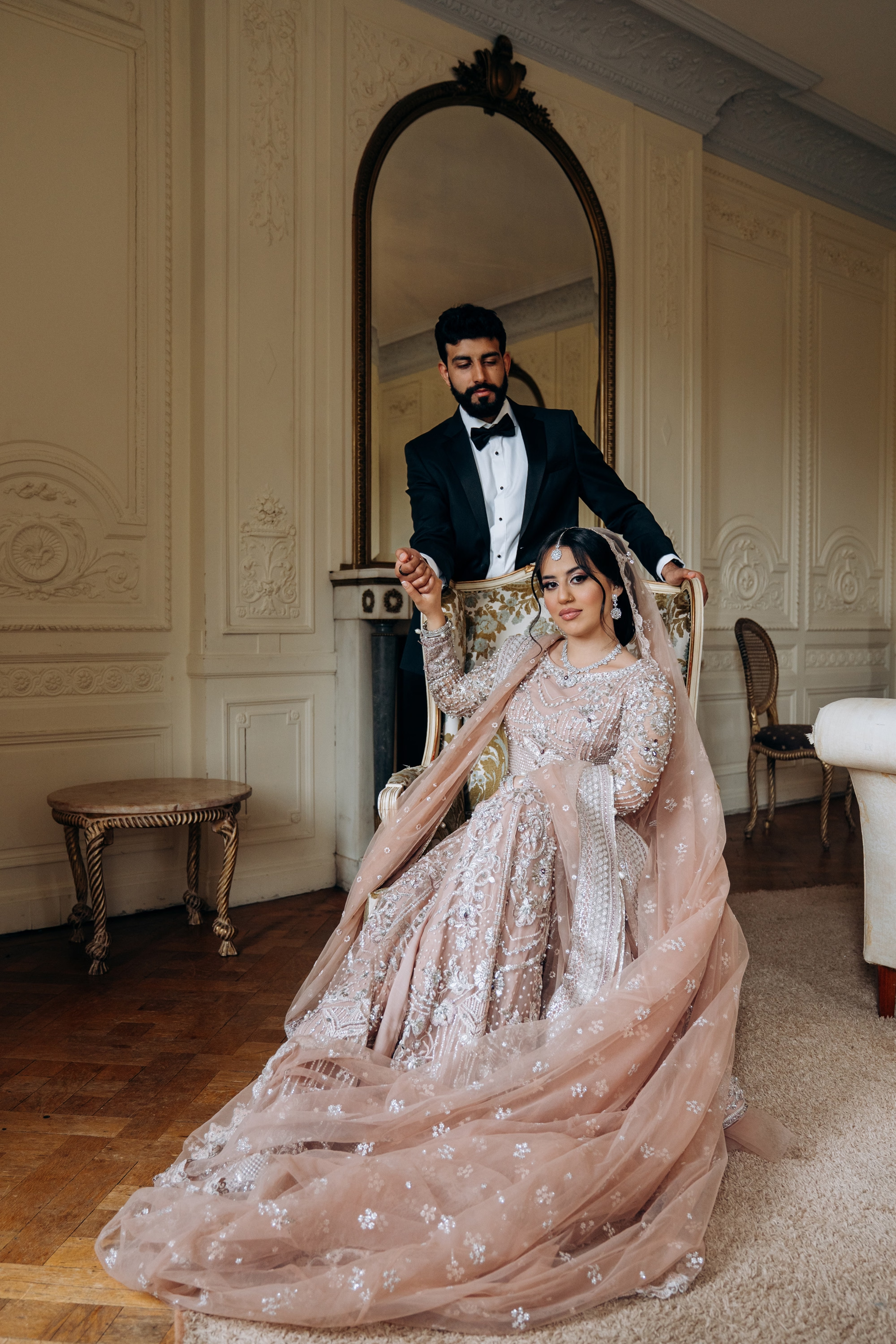
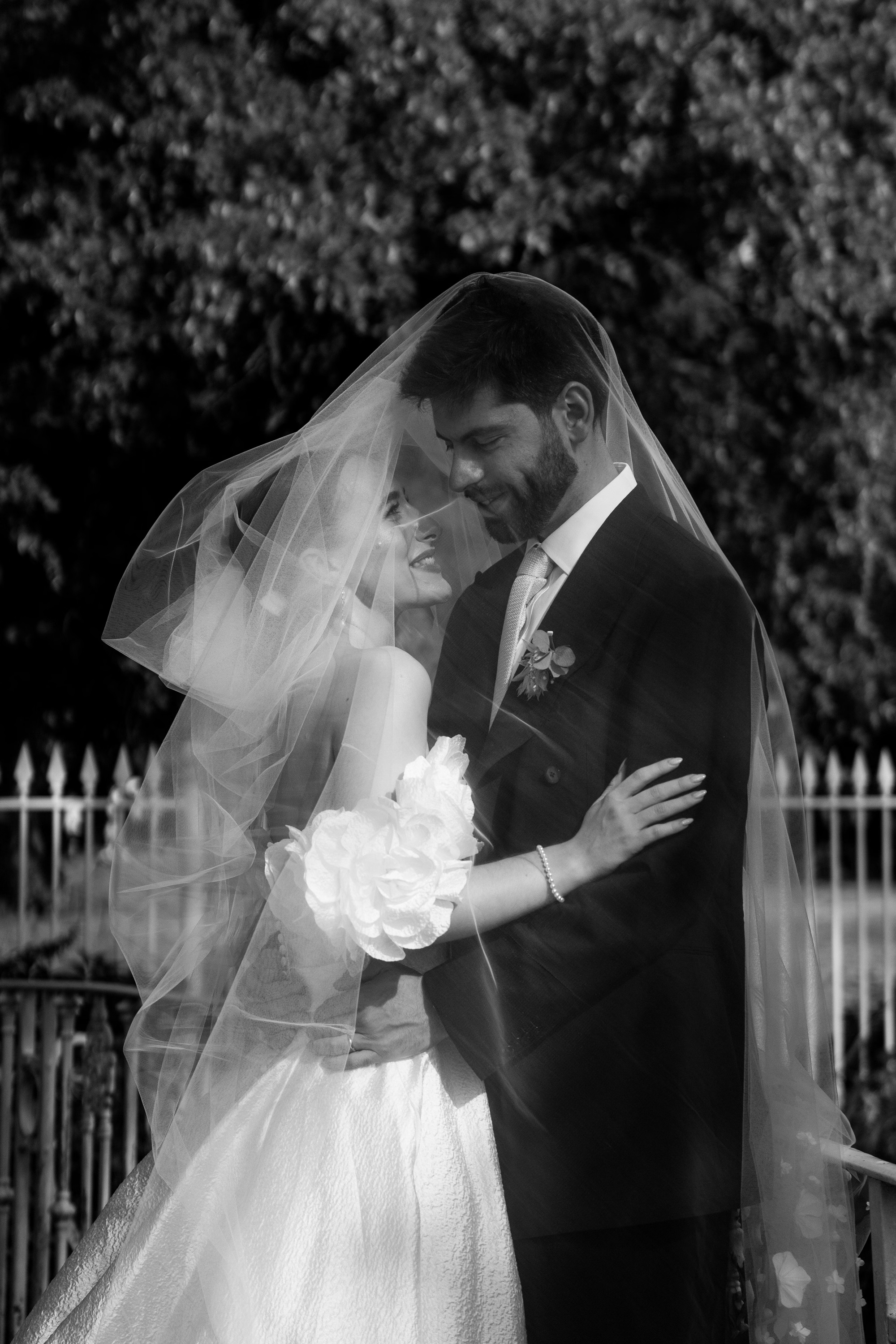
Kseniia, tell us a little about yourself, how you found your way into photography, and what ultimately drew you towards photographing weddings?
I’ve always been a creative person, although my path into photography wasn’t particularly direct. I’m naturally quite introverted, and I’ve often been more comfortable observing than being the centre of attention. Even while studying project management at university, I often had a camera with me, taking pictures of things that caught my eye.
Before becoming a photographer, I also worked on creative projects, collaborating with clients and contractors and making decisions about how ideas could be brought to life. I think that experience taught me something I still find valuable today: creativity is not only about having an idea, but also knowing how to make it happen.
But it was my own wedding that really changed the way I thought about photography.
We had a small, intimate celebration, and I remember feeling quite nervous about being photographed. Our photographer made us feel completely at ease, but what stayed with me most was seeing the photographs afterwards.
I already knew how wonderful our wedding had been, because I’d experienced it myself. But when I saw the photographs, I was amazed by how beautifully our photographer had told its story. I recognised the people, the places and the moments, yet seeing everything through his eyes felt like discovering a completely new perspective on a day I thought I knew so well.
At the time, I couldn’t have explained what made those photographs so special. I didn’t understand the role of light, composition or all the creative decisions that go into making an image. I simply knew that I loved the way he had seen us and our wedding.
That experience stayed with me. Our photographer later became my mentor, and as I began exploring photography and art more seriously, I gradually started to understand how a photographer’s choices could shape the way a story was told. I studied the work of other photographers and began discovering my own way of seeing.
I think that’s what drew me to wedding photography: the opportunity to bring an artistic perspective to real life, to find beauty and character in the people in front of me, and to tell the story of a day in a way that feels both personal and unexpected.
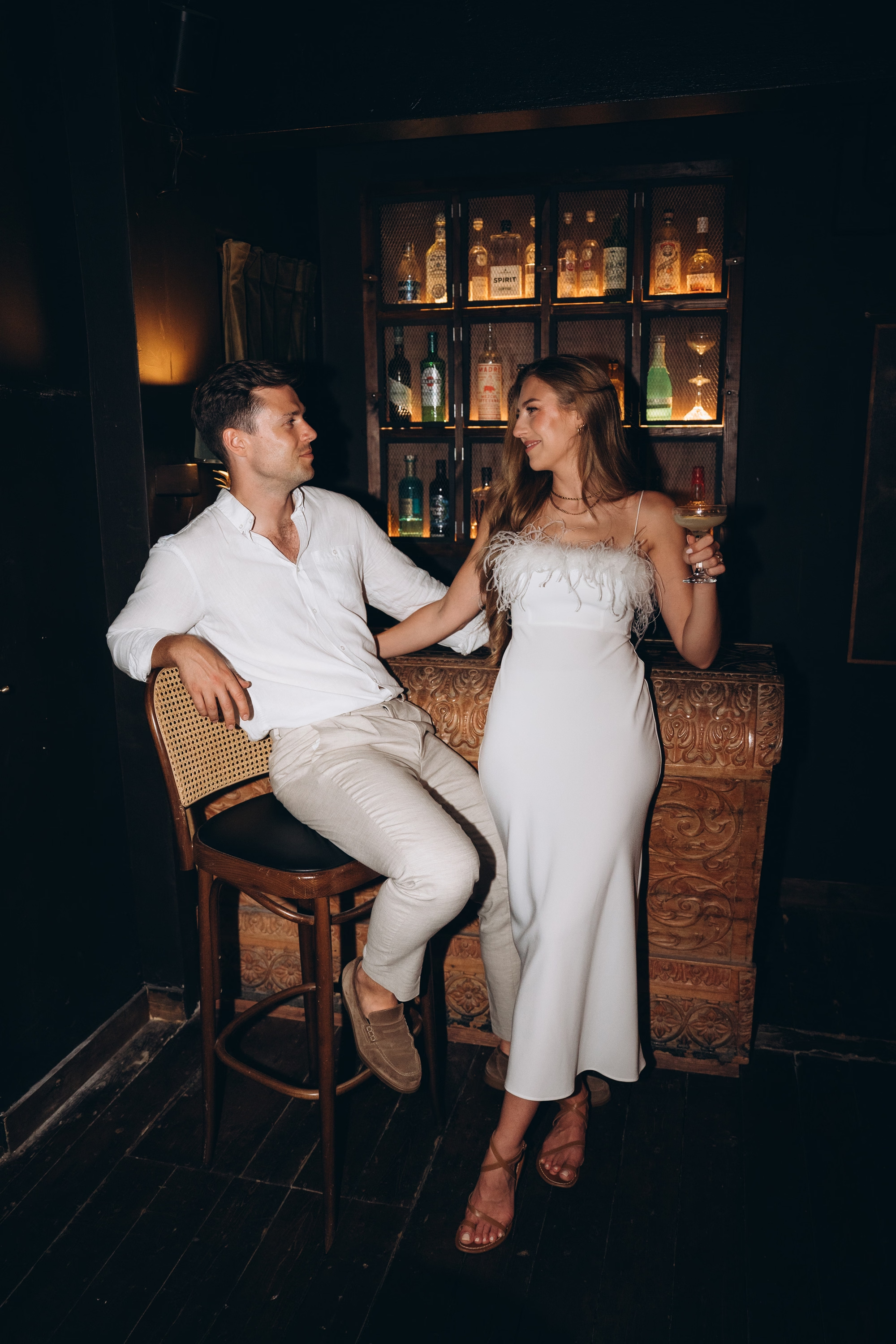
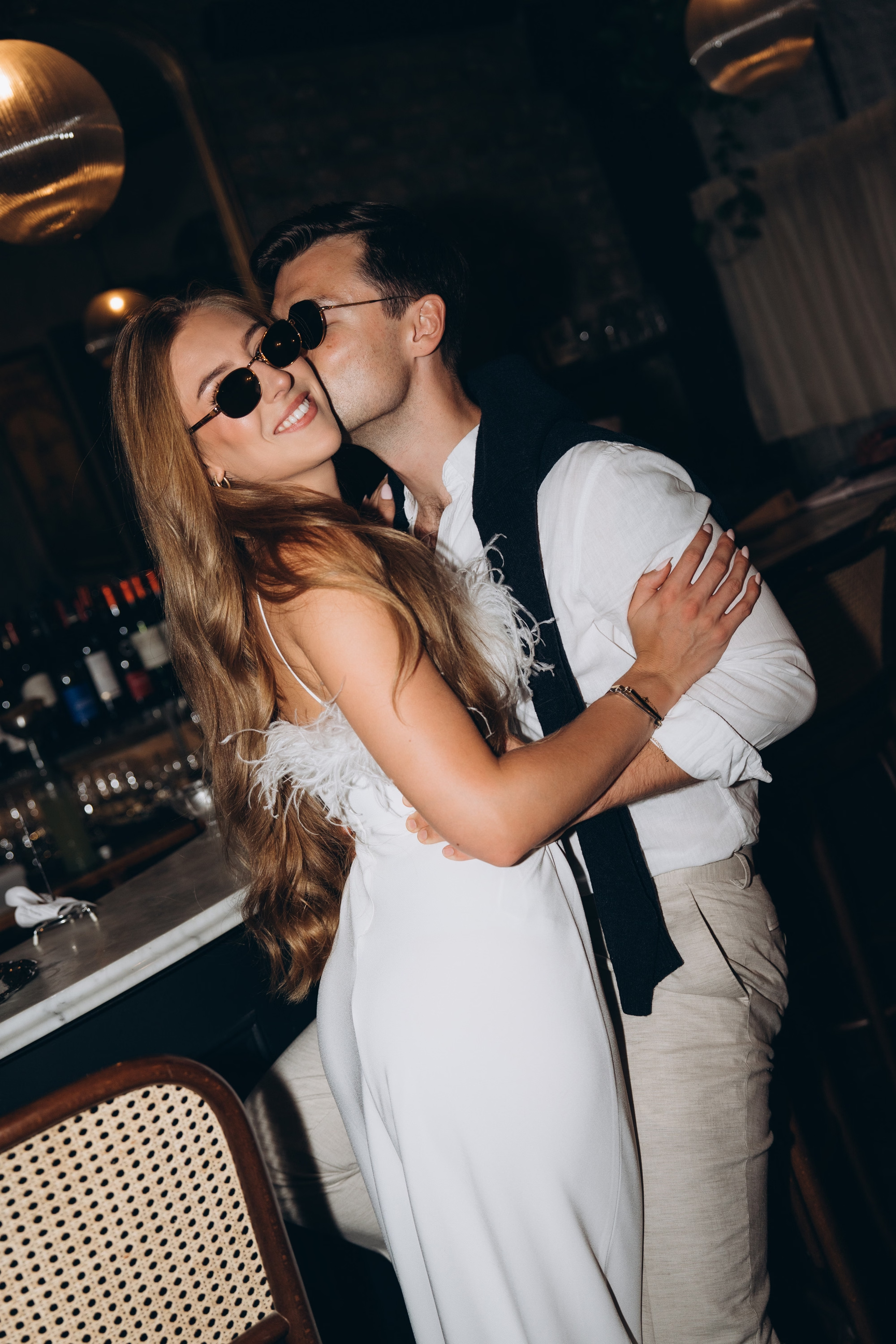
Your photography brings together beautiful, editorial-style portraiture with something much more spontaneous and emotionally honest. How do you approach finding that balance, and what does editorial wedding photography really mean to you?
To me, editorial wedding photography is less about a particular look or style of posing and more about the way I see things. It’s about bringing the same attention to light, composition and visual storytelling that I would give to a carefully created portrait, while keeping the people and emotions completely genuine.
I think the balance between editorial and documentary photography comes from understanding what I can influence and what is better left untouched.
During a ceremony or speeches, for example, I wouldn’t interfere with what’s happening, but I’m still making creative decisions all the time. I’m studying the light, looking for interesting perspectives and anticipating emotions and interactions. I pay close attention to the guests too, because sometimes something just as meaningful is happening away from where everyone’s attention is focused.
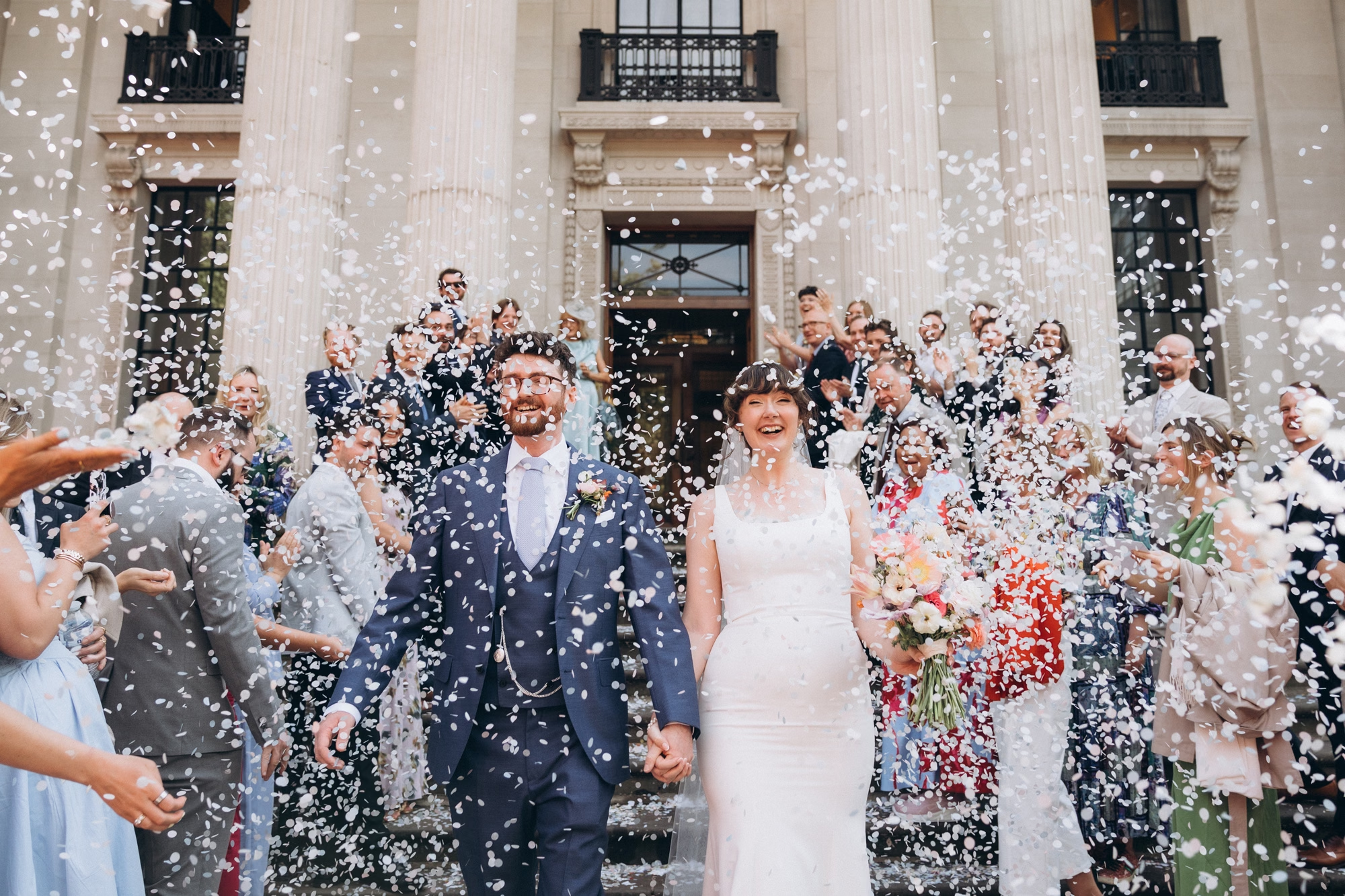
Other moments give me a little more control. With a first look, for instance, I can help choose the setting, consider the light and plan how the moment will begin. But once the couple see each other, everything that follows is entirely theirs. I can influence how the moment is photographed without trying to influence how they feel.
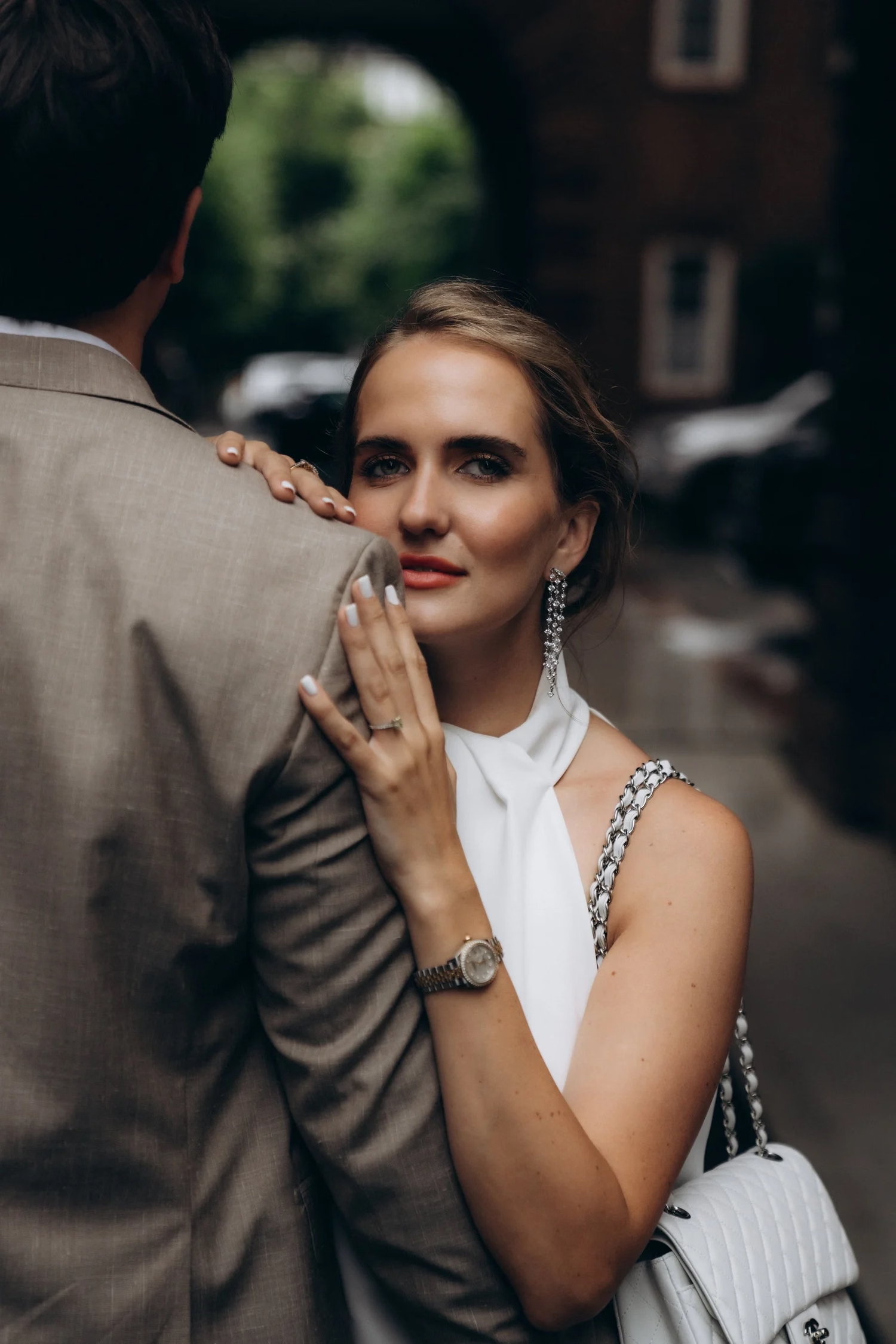
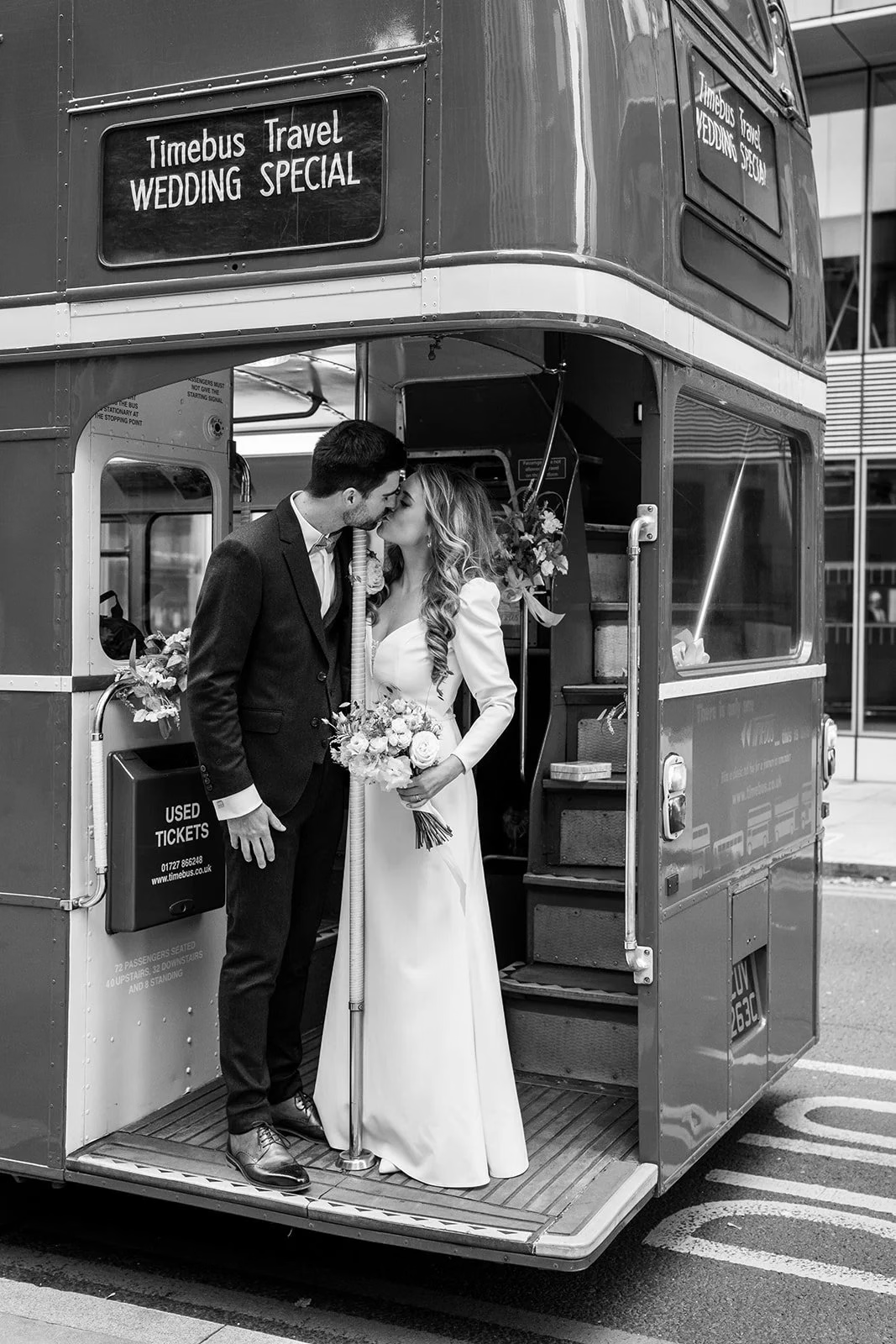
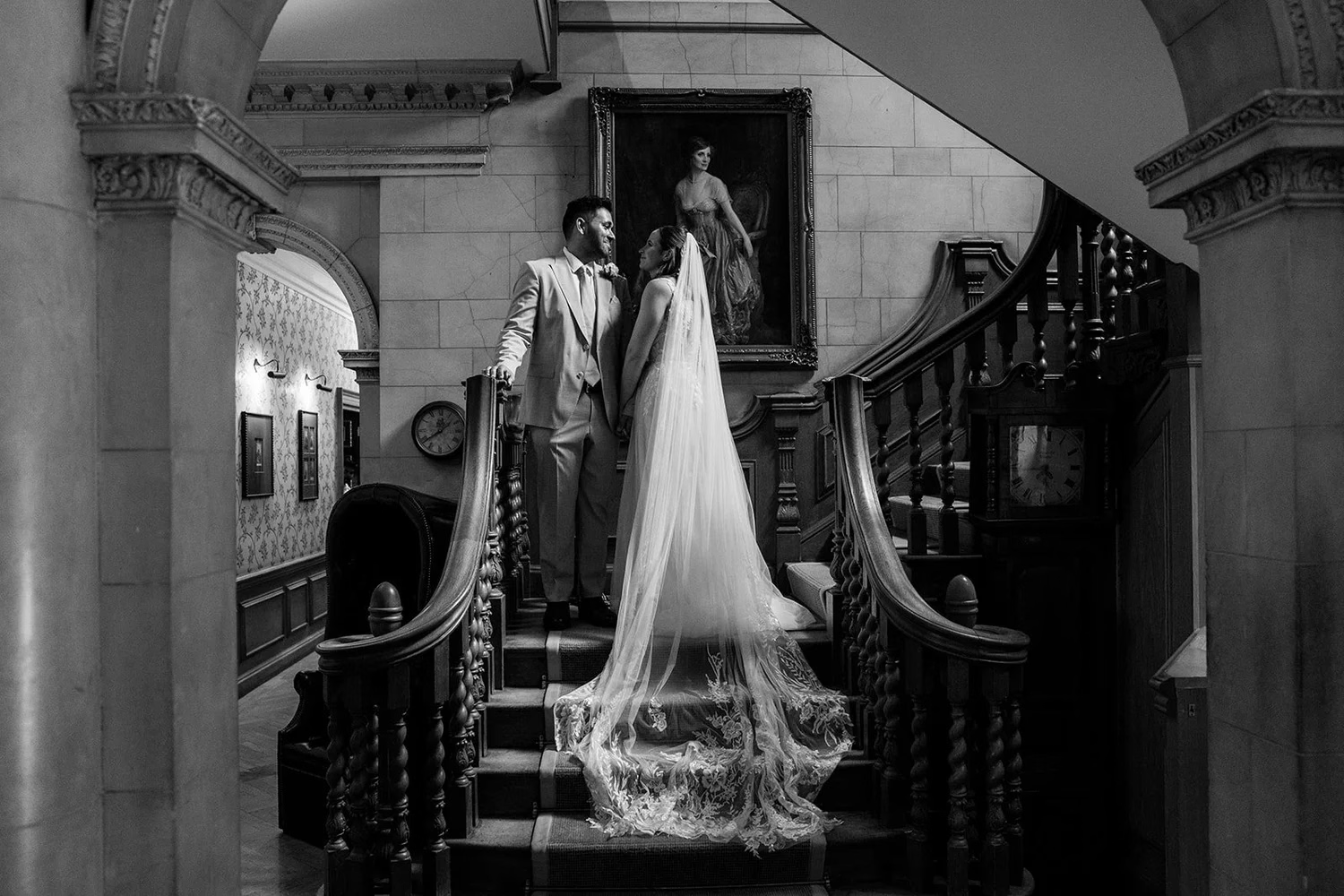
Portraits are where I have the most creative freedom. Before a wedding, I spend time researching the venue and imagining particular images I’d love to create. On the day, I work towards those ideas, but I’m also constantly noticing new possibilities, an unexpected reflection, an unusual perspective or a beautiful piece of light that I hadn’t anticipated.
What excites me is finding a way to make a photograph visually expressive without losing the character of the people in it. I take responsibility for the creative decisions, but I don’t want couples to change their personalities or perform for the camera.
For me, the most rewarding photographs are those where you can see the artistic intention behind the image, but the people and emotions still feel entirely real.
Your couples always appear, comfortable and natural, even in your more carefully composed portraits. How do you help people feel at ease in front of your camera, particularly those who might be nervous about being photographed?
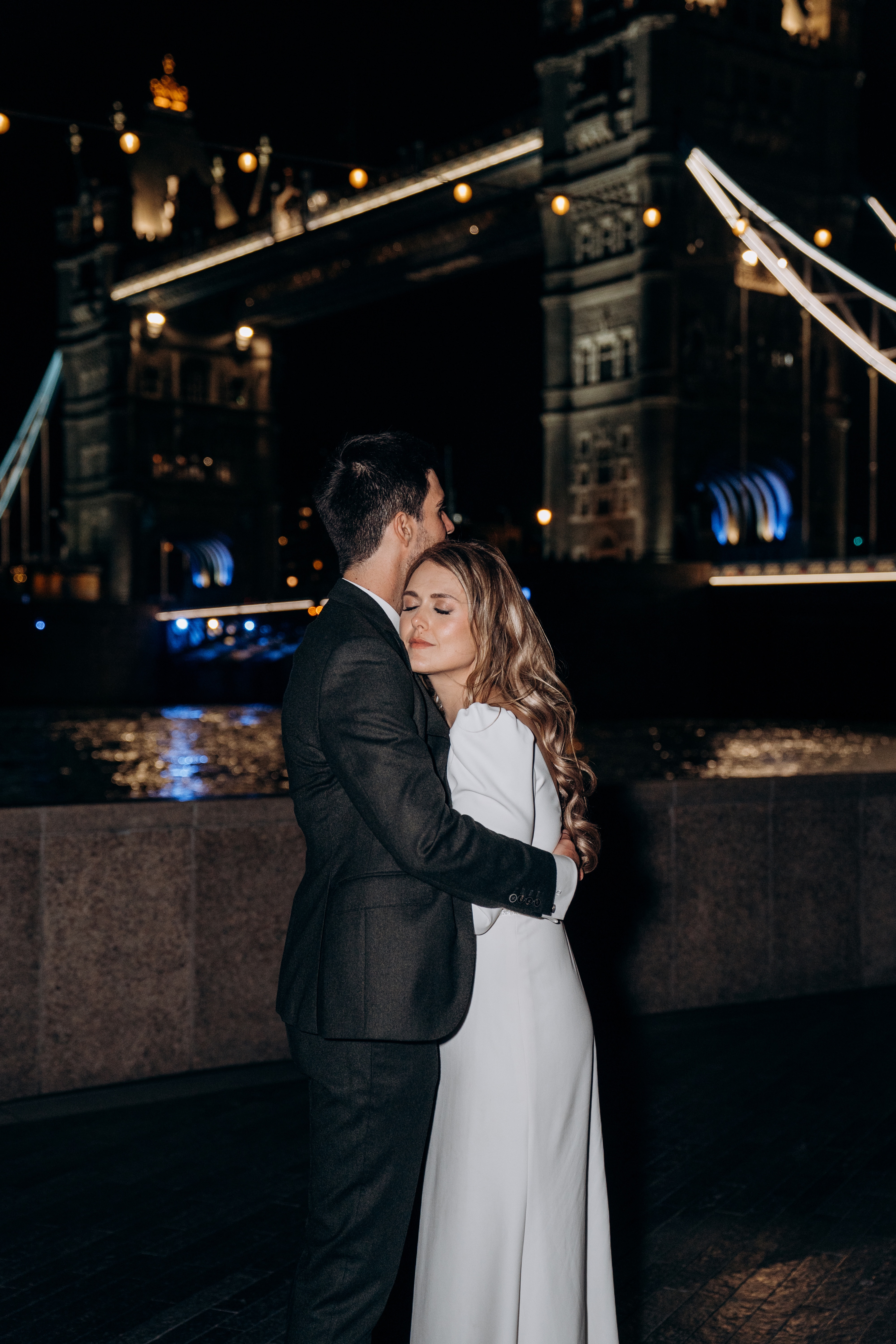
You have a wonderful appreciation for architecture, light and the character of a space. I’ve noticed how thoughtfully you incorporate your surroundings into your photographs. What draws you to particular settings, and how does a wedding’s location influence the way you tell its story?
The first thing I look for in a wedding venue is its character. I want to understand what makes a place distinctive, rather than simply finding the most beautiful backgrounds for photographs.
I find churches particularly fascinating because of the contrast between their monumental architecture and the intimacy of what’s happening inside. The high ceilings, arches, columns and sense of tradition create such a powerful setting for something deeply personal. I love finding compositions that bring those two elements together, where the scale of the building makes a small human moment feel even more significant.
With historic buildings, I enjoy learning about their history and discovering the features that give them their identity. And I think town halls are interesting in their own way. No two are quite the same, and couples often have personal reasons for choosing a particular one. I love hearing what drew them to a place, because it helps me understand which elements might be especially meaningful to include in their photographs.
Light is another huge part of how I see a space. I’m particularly drawn to portraits with depth, contrast and a slightly dramatic quality. I’ve always admired the way painters such as Rembrandt and Caravaggio used light and shadow to create atmosphere, and I enjoy exploring that in my own work.
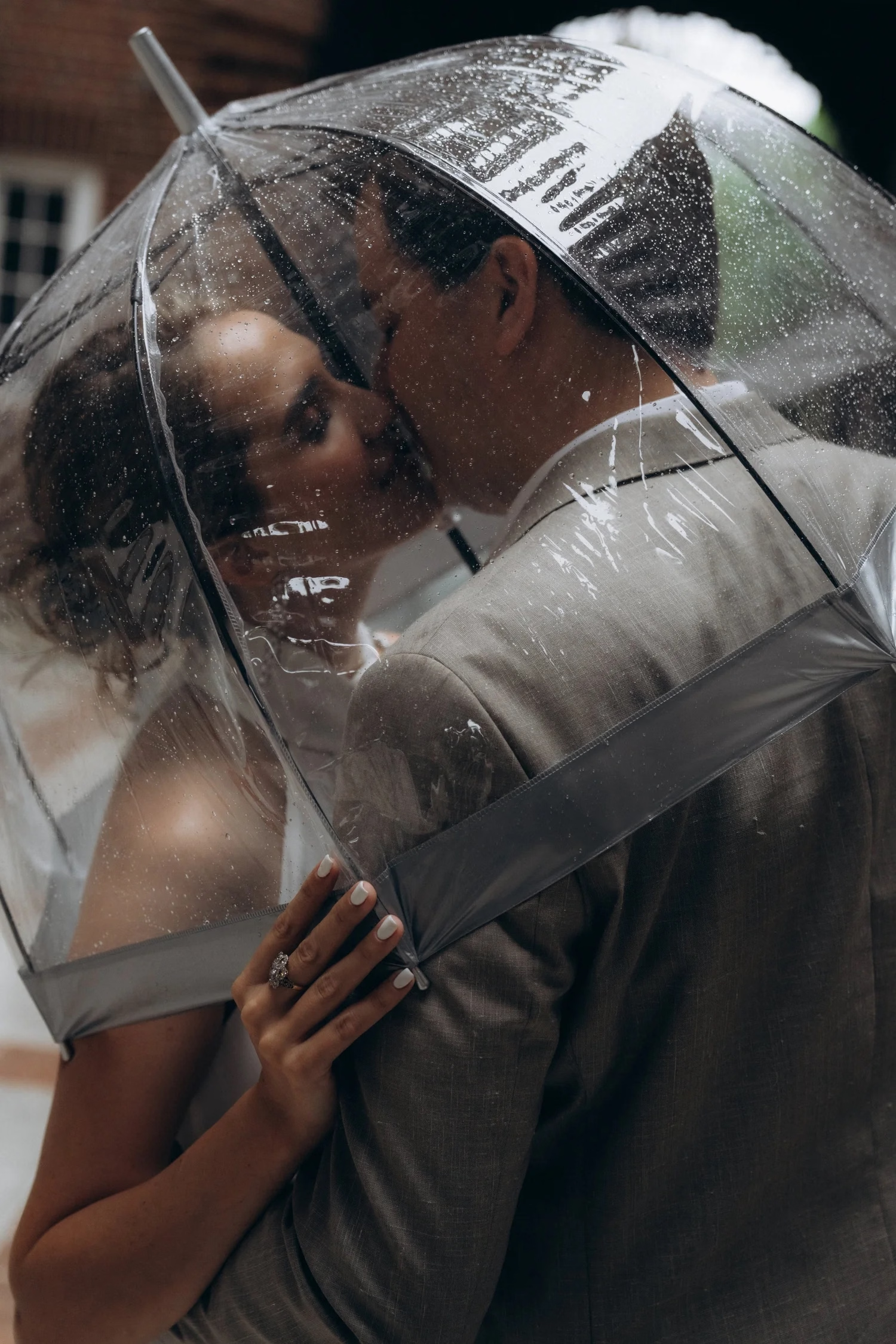
I also love finding possibilities in conditions that might not seem ideal at first. Strong midday sunlight, for example, can create striking shadows and graphic, expressive portraits. Even rain can introduce beautiful reflections and a completely different mood.
For me, the surroundings should contribute something to a photograph without overpowering the people in it. I want the images to belong to that particular place and that particular wedding, rather than feel as though they could have been created anywhere.
I was particularly touched by a review on your Love My Dress listing from a couple who said you’d captured their guests reacting to their vows and speeches, moments they hadn’t been able to witness themselves. How important are these quieter, easily overlooked moments to your work?
One of the things I love about photographing weddings is that so many little stories are unfolding at the same time. While everyone’s attention might be focused on one particular moment, something equally meaningful could be happening somewhere else.
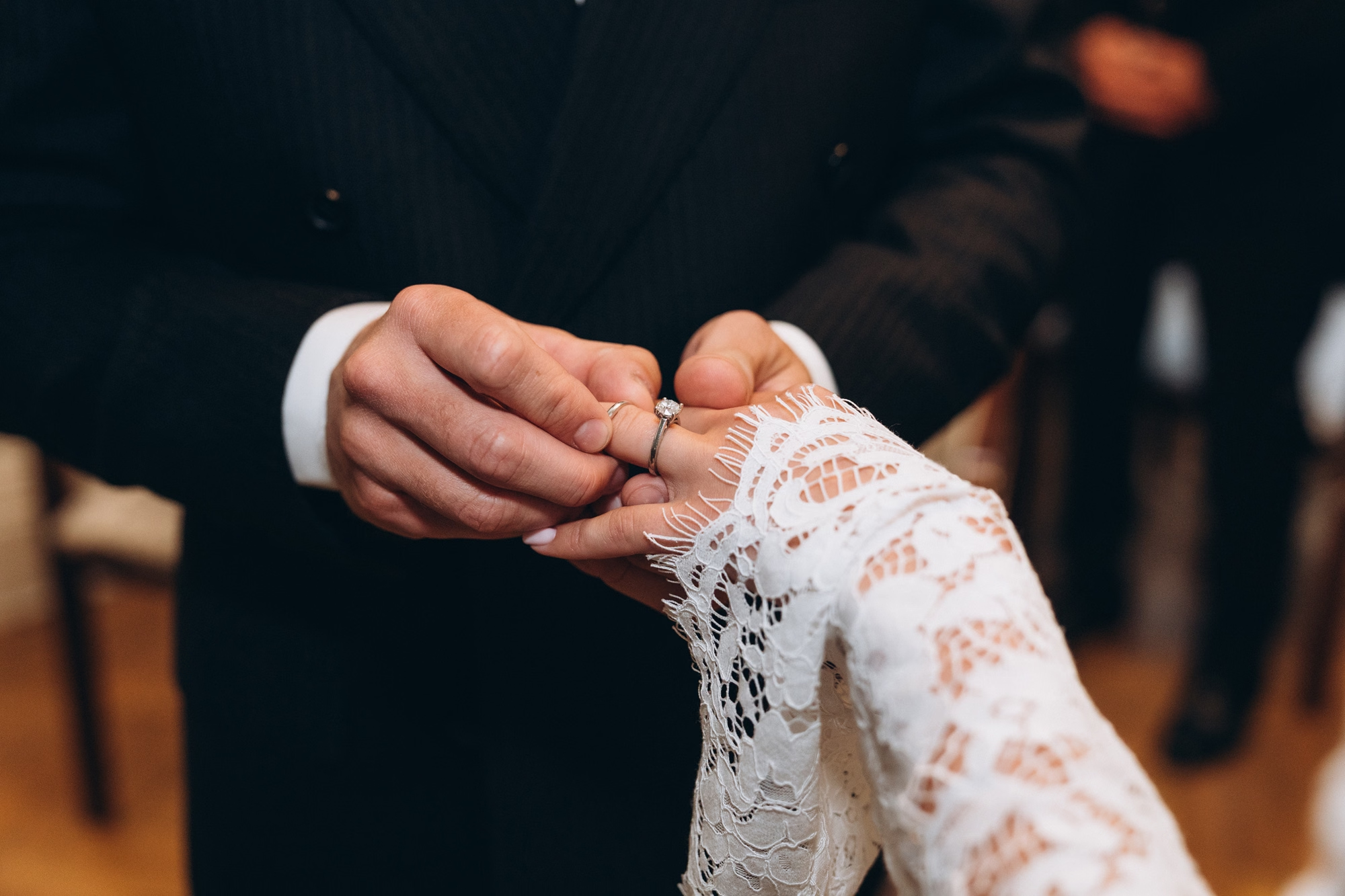
Over time, I’ve learnt to anticipate when those moments are most likely to happen. During the ceremony or speeches, for example, I’m paying particular attention to the people closest to the couple, as well as the reactions unfolding around the room. Sometimes it’s something obvious, like a parent becoming emotional, but it can also be a small gesture, a shared glance or an expression that disappears almost immediately.
I’m interested in the quieter emotions too. The anticipation before an important moment, the reassurance of someone close to you, or the change in people’s expressions when the nervousness gives way to joy. I think there’s a particular beauty in those transitions, and they’re easy to miss if you’re only watching the main events.
I’m constantly observing what’s happening throughout the day and ready to react when I notice something unexpected. Some of my favourite opportunities come between the planned events, when people are simply enjoying each other’s company.
One of my couples mentioned in their Love My Dress review how much they appreciated the photographs I’d taken of their guests reacting to their vows and speeches, moments they hadn’t been able to see themselves. I think that captures why this part of my work matters so much. Those photographs allow couples to see not just what happened, but how the people they love experienced their wedding.
For me, these moments deserve just as much attention as the more obvious highlights. They’re part of what makes every wedding, and every collection of photographs, so personal.
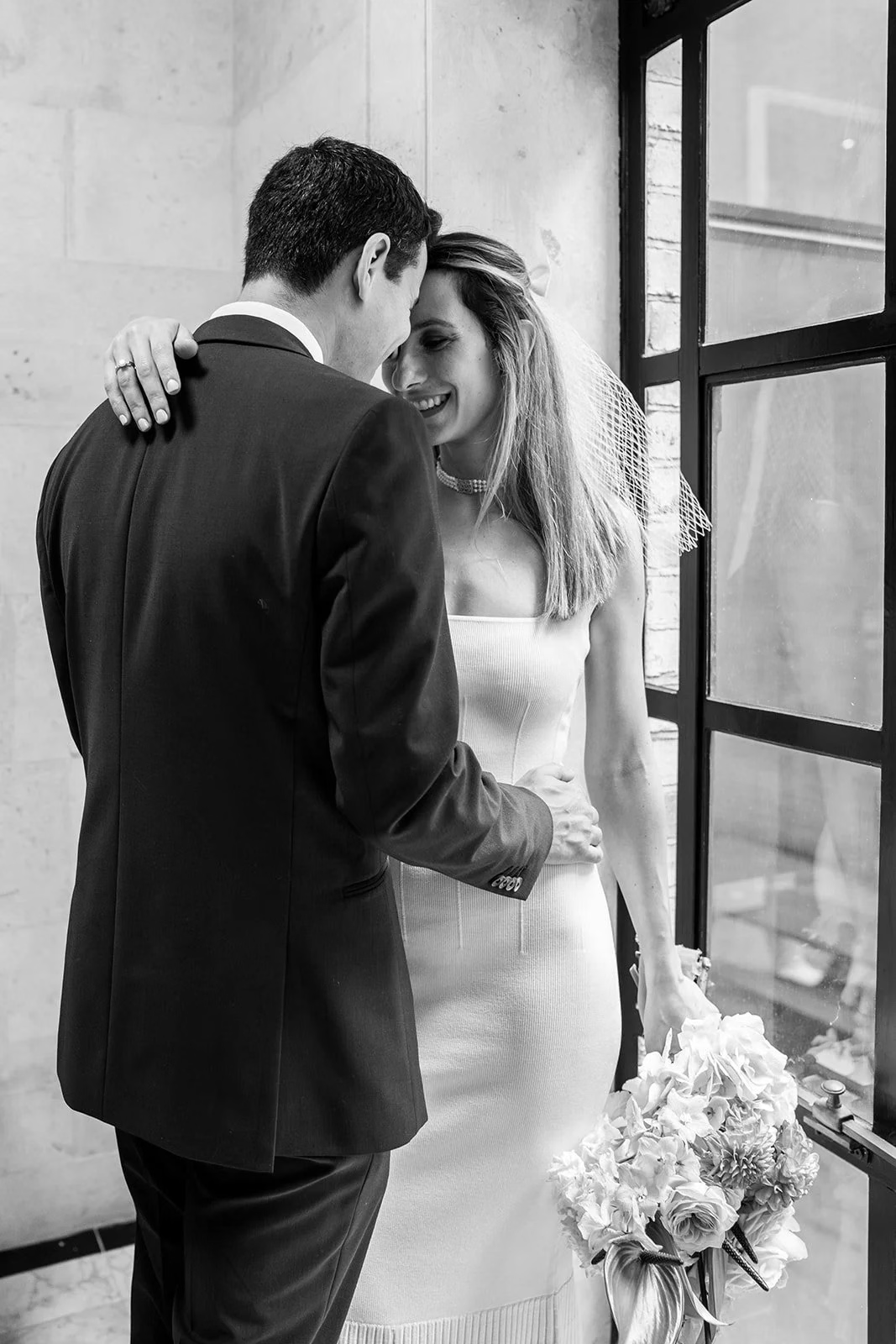
Your work shows a real sensitivity to texture, movement and thoughtful design. How do you approach photographing these beautiful details while keeping the images feeling natural and connected to the day?
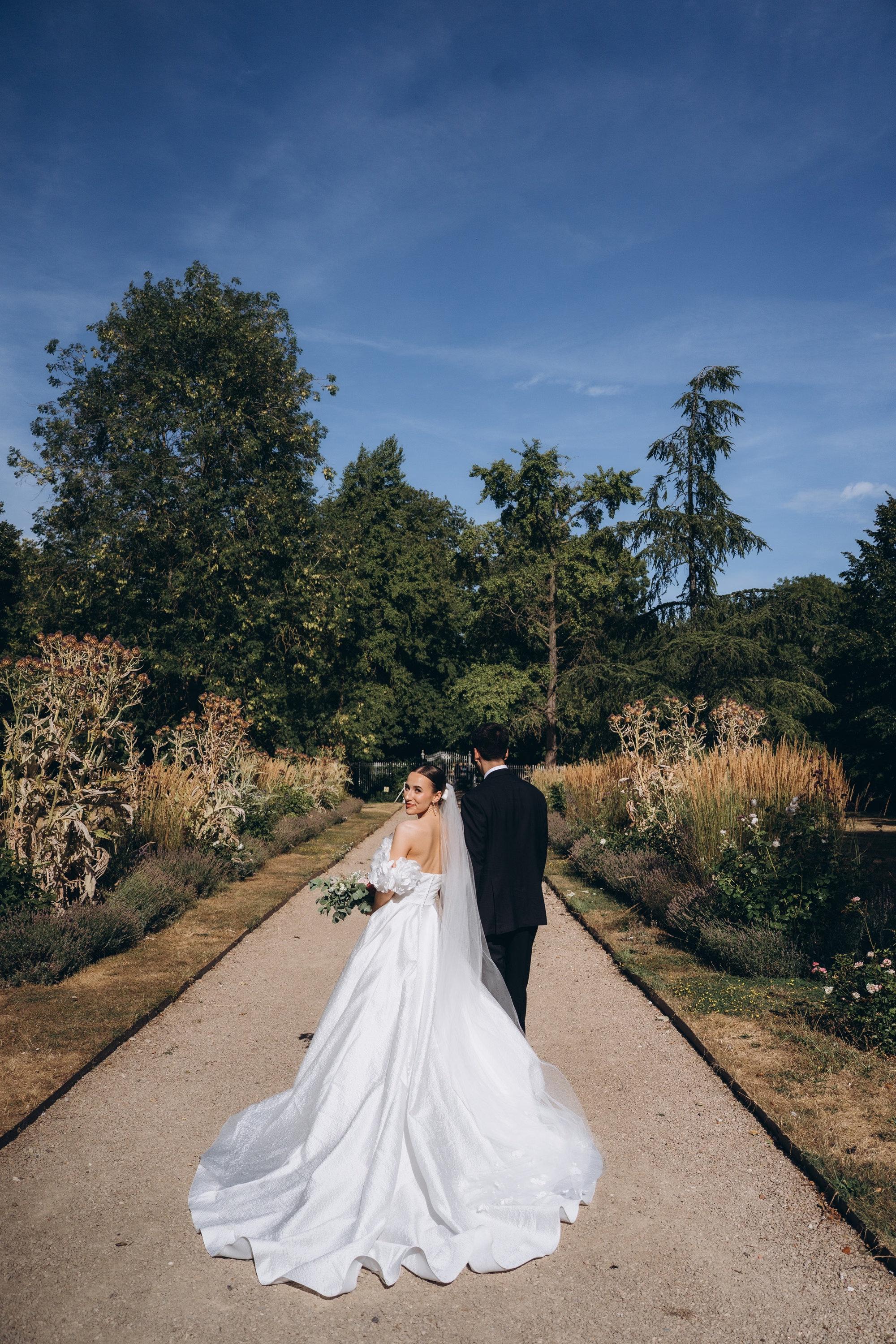
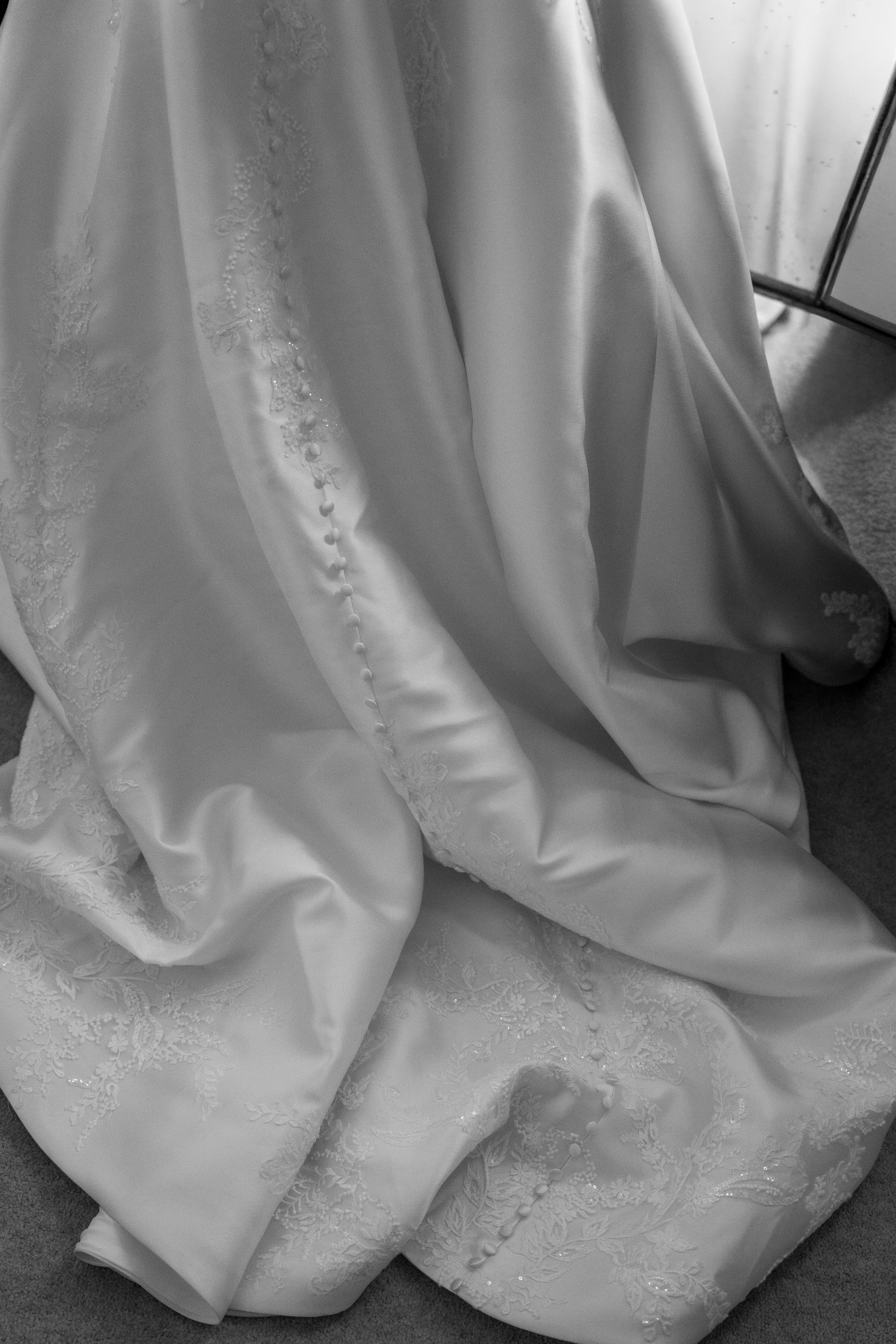
I think the clothes and details a couple choose for their wedding offer a lovely glimpse into their personal style. A gown with a dramatic train, a beautifully simple silhouette or a tailored suit each brings something different to the photographs, and I love finding ways to reflect that individuality.
When photographing an outfit, I pay attention to what makes it distinctive, the shape, the craftsmanship, the texture of the fabric and how it interacts with light. But I find it just as interesting when someone is actually wearing it. The movement of a train as a bride walks, the way a dress changes shape as she turns, or how the whole look comes together with her natural expressions and gestures.
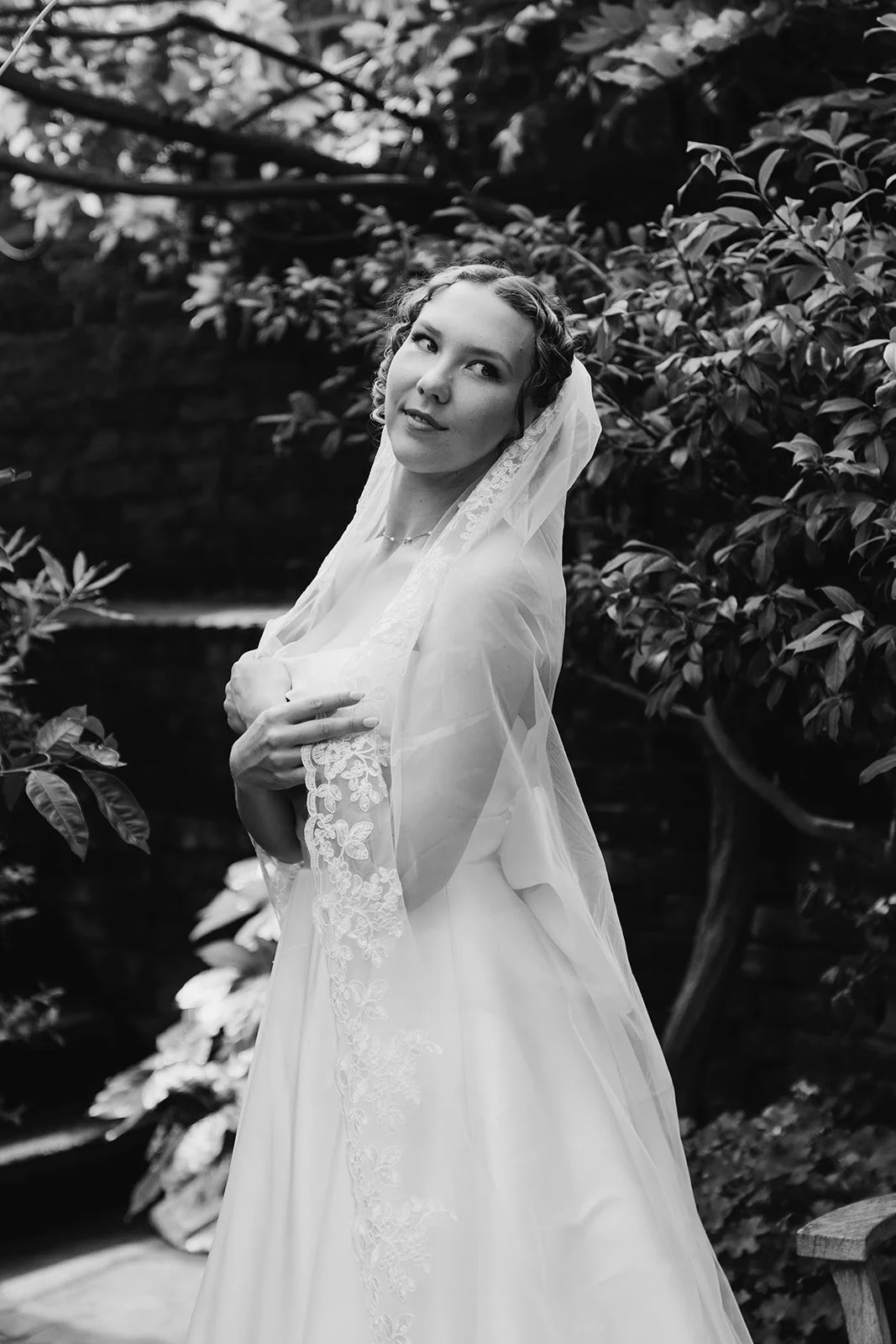
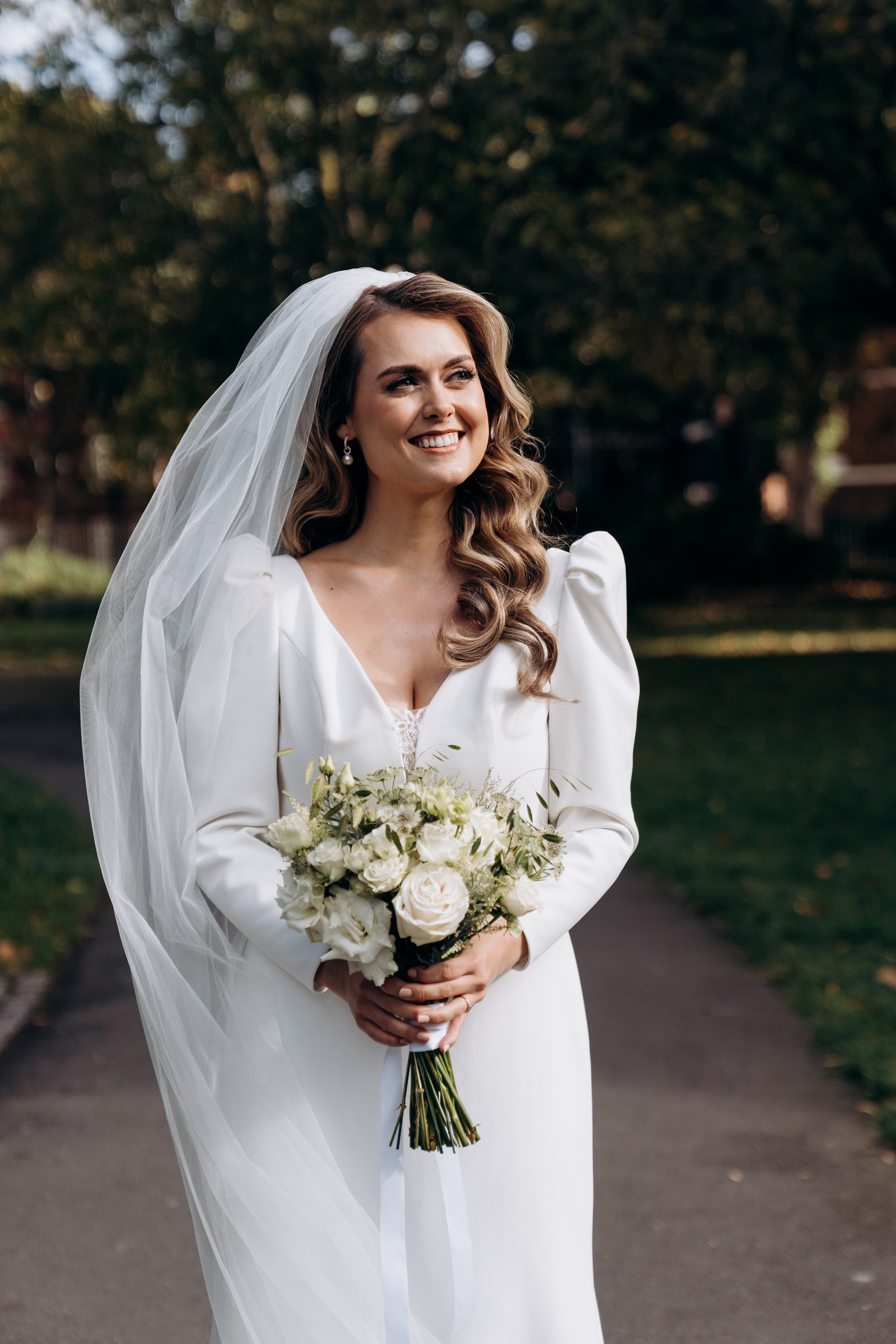
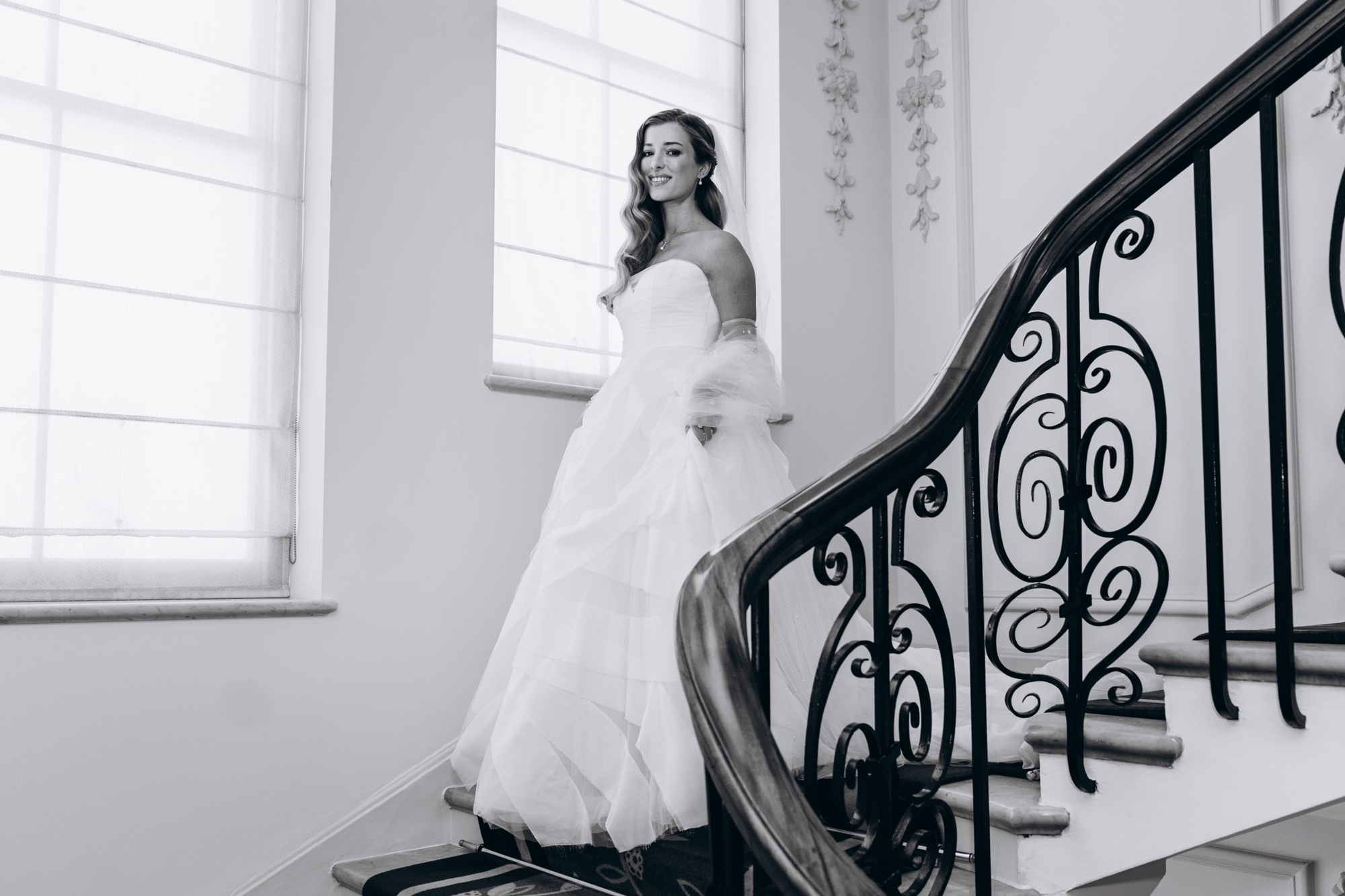
I particularly enjoy bridal portraits with a sense of character. I love softness and romance, but also confidence, individuality and a strong presence. That doesn’t necessarily mean dramatic posing. Sometimes the most compelling thing about someone is a quiet expression or the way they naturally carry themselves.
What interests me is finding that quality in the person I’m photographing and using light, composition and the surroundings to bring it out. I love the possibility of creating a portrait that could feel at home in a fashion magazine, but still looks and feels unmistakably like the woman in front of my camera.
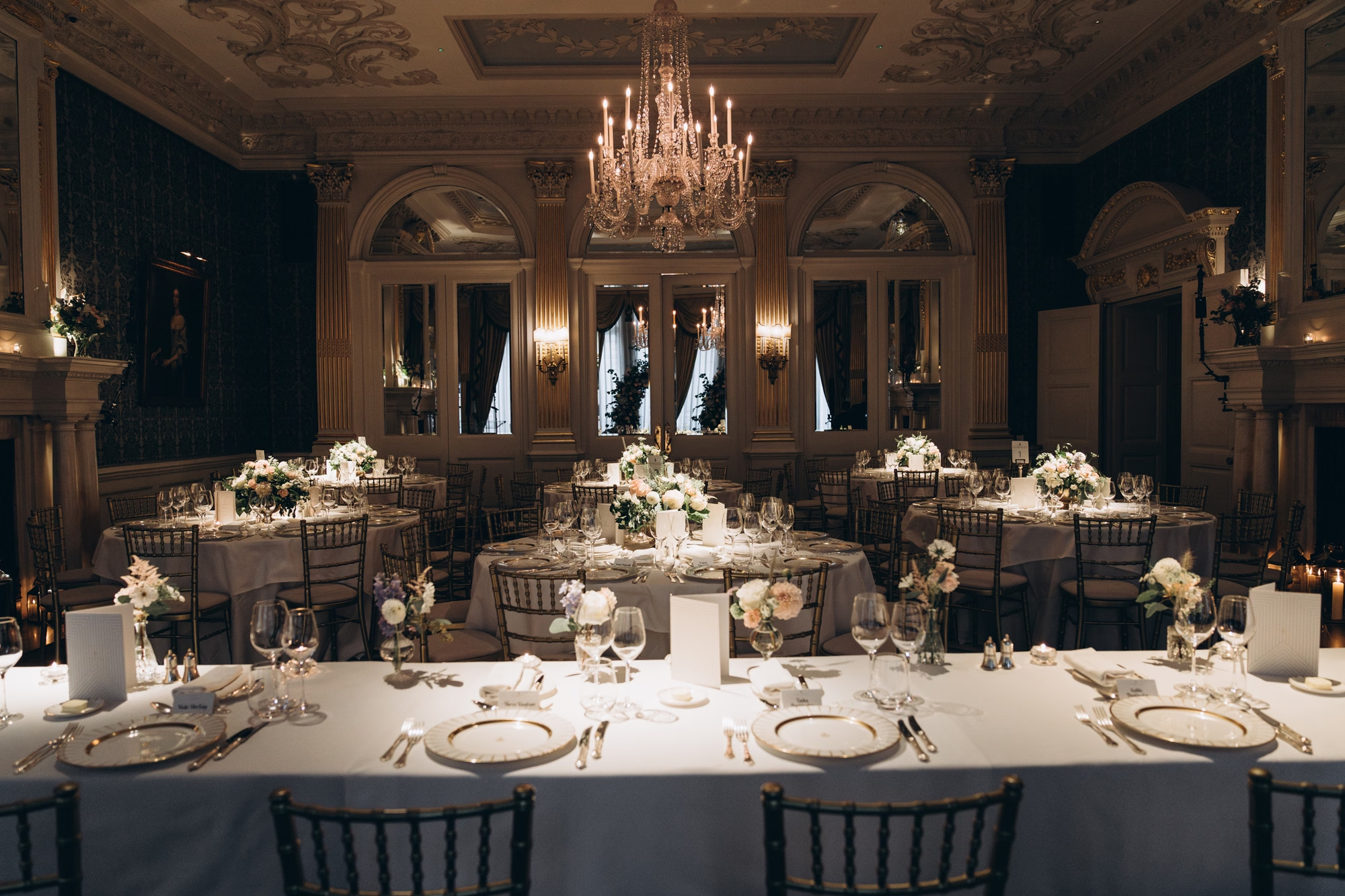
I feel the same way about all the other details couples have chosen. So much thought goes into the flowers, colours, jewellery and styling of a wedding, and I like finding visual connections between these elements and the venue. Sometimes I’ll bring architectural details or colours from the surroundings into a composition. Other times, a couple’s style calls for something much more minimal.
And I don’t want these details to exist only as carefully arranged photographs. I also love capturing them naturally throughout the day, a veil moving, a bouquet being carried or a piece of jewellery being adjusted.
For me, the most interesting wedding fashion photographs aren’t simply about showing what was chosen. They’re about the people who chose it, how they wear it and the character they bring to it.
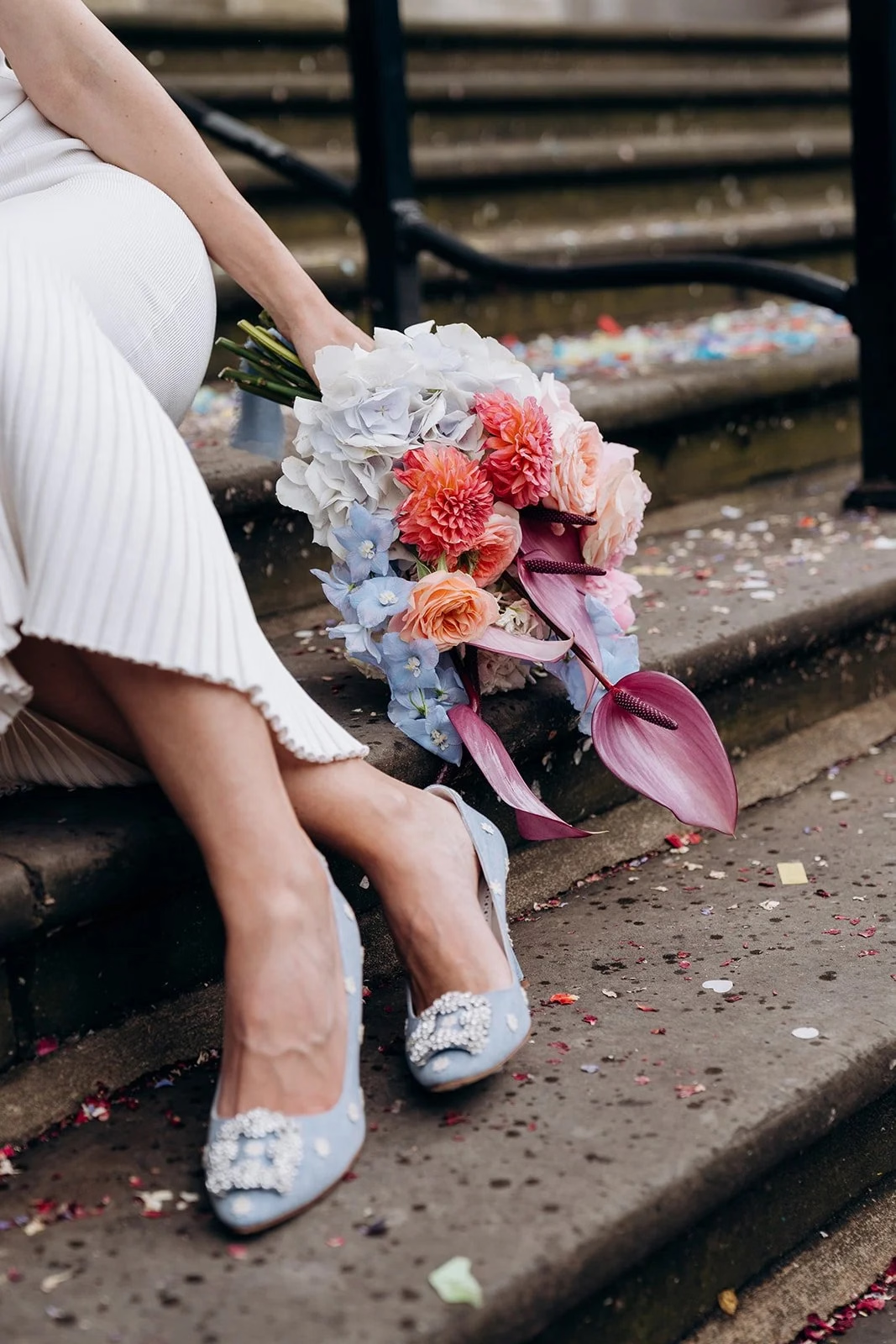
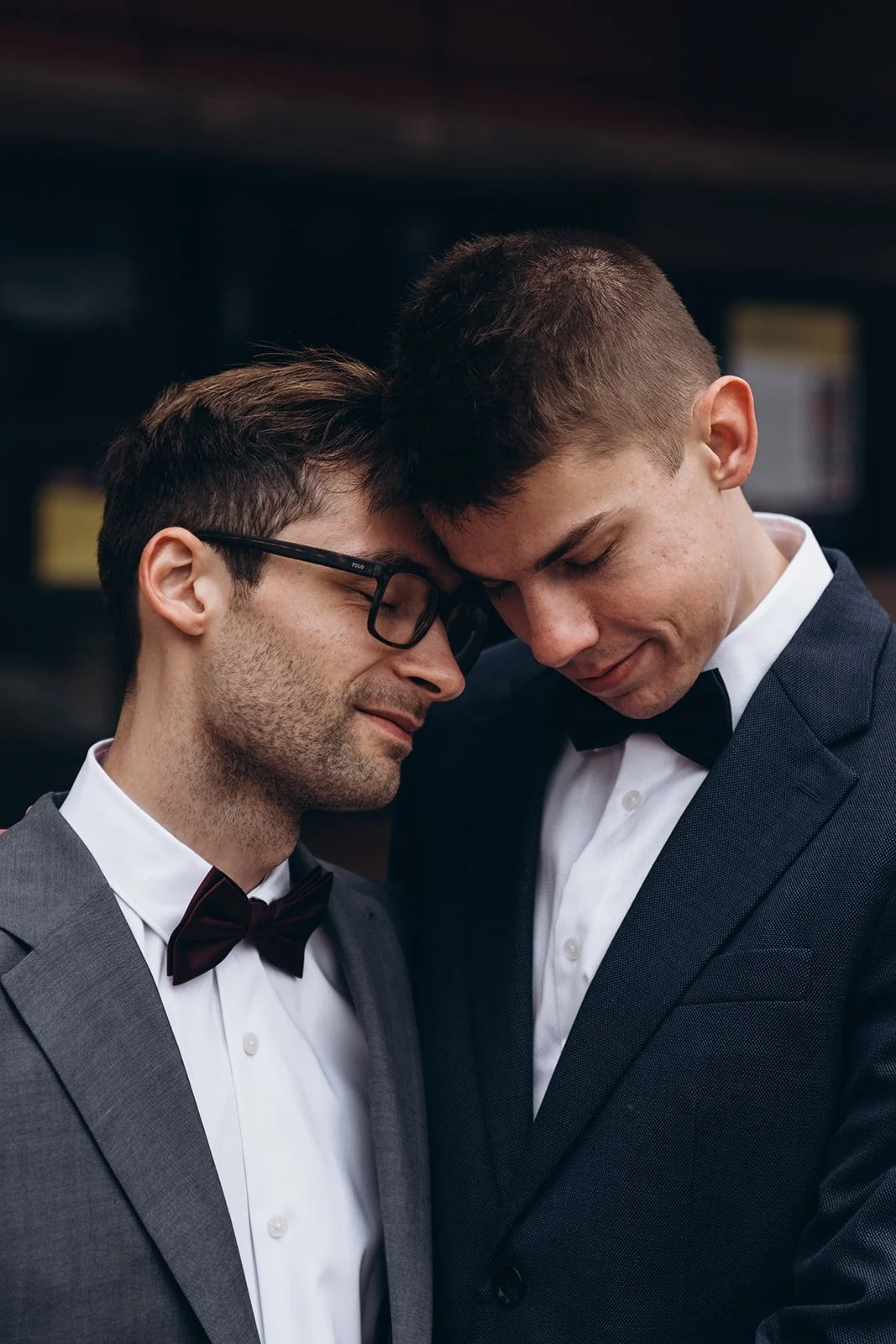
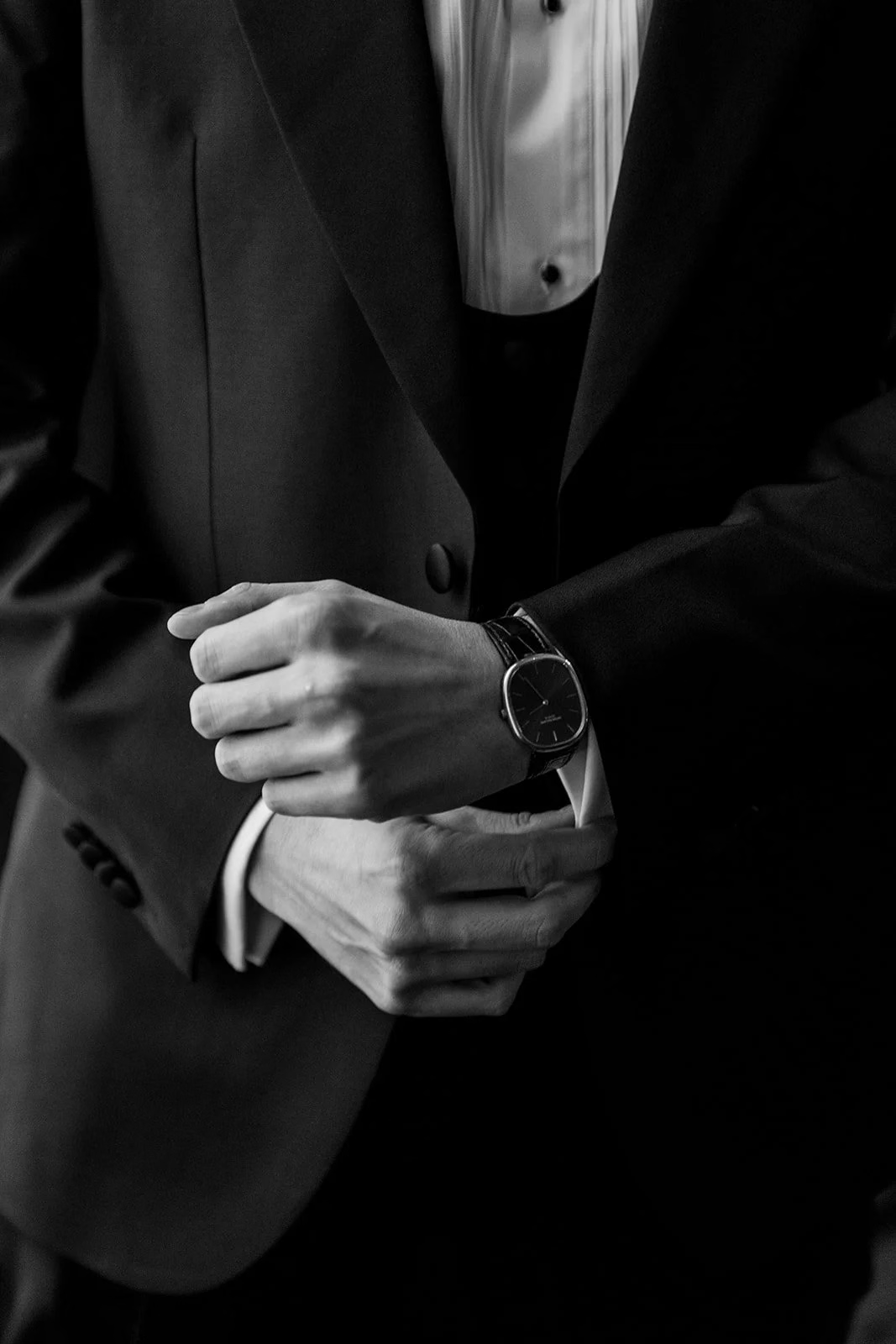
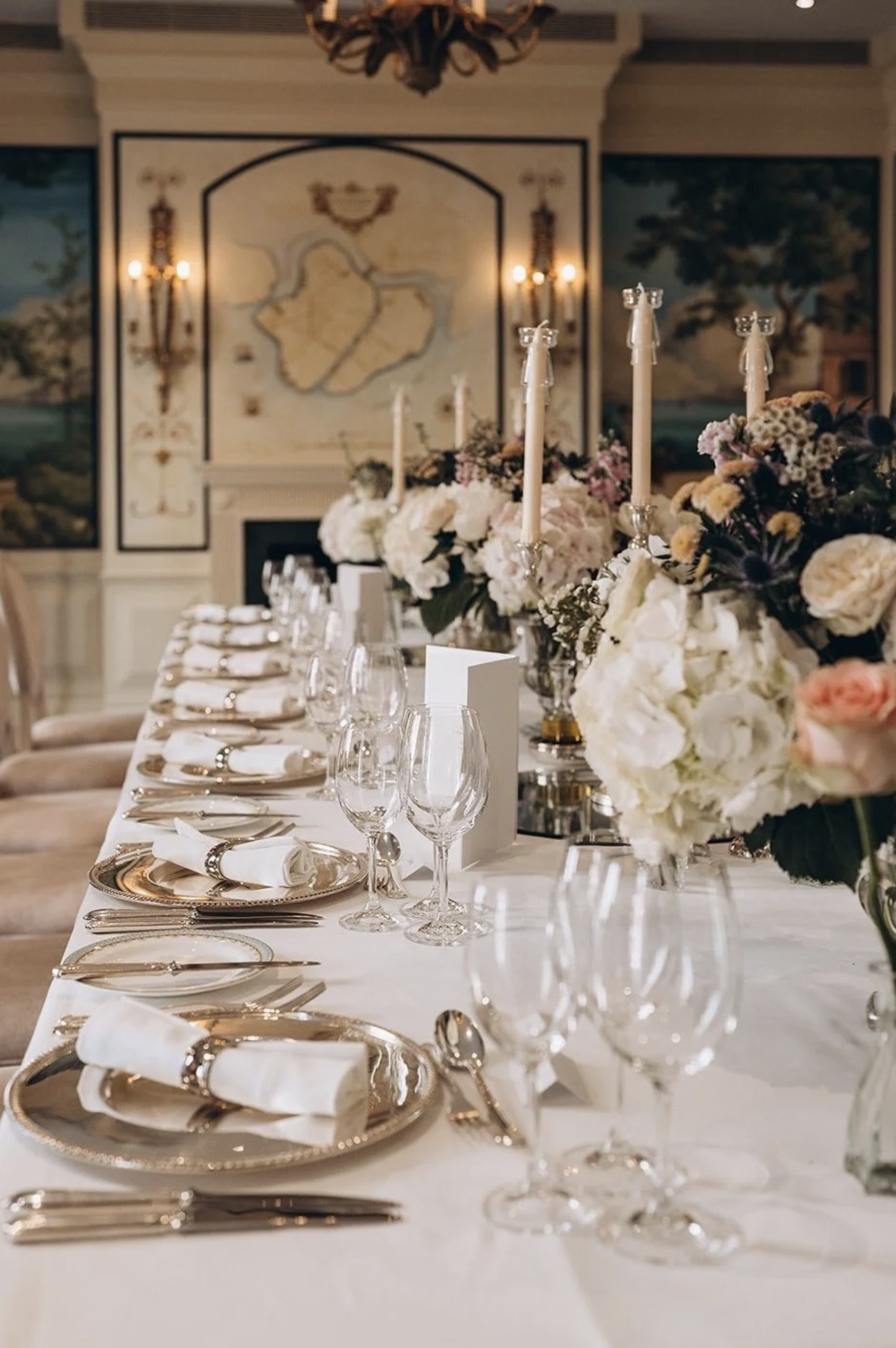
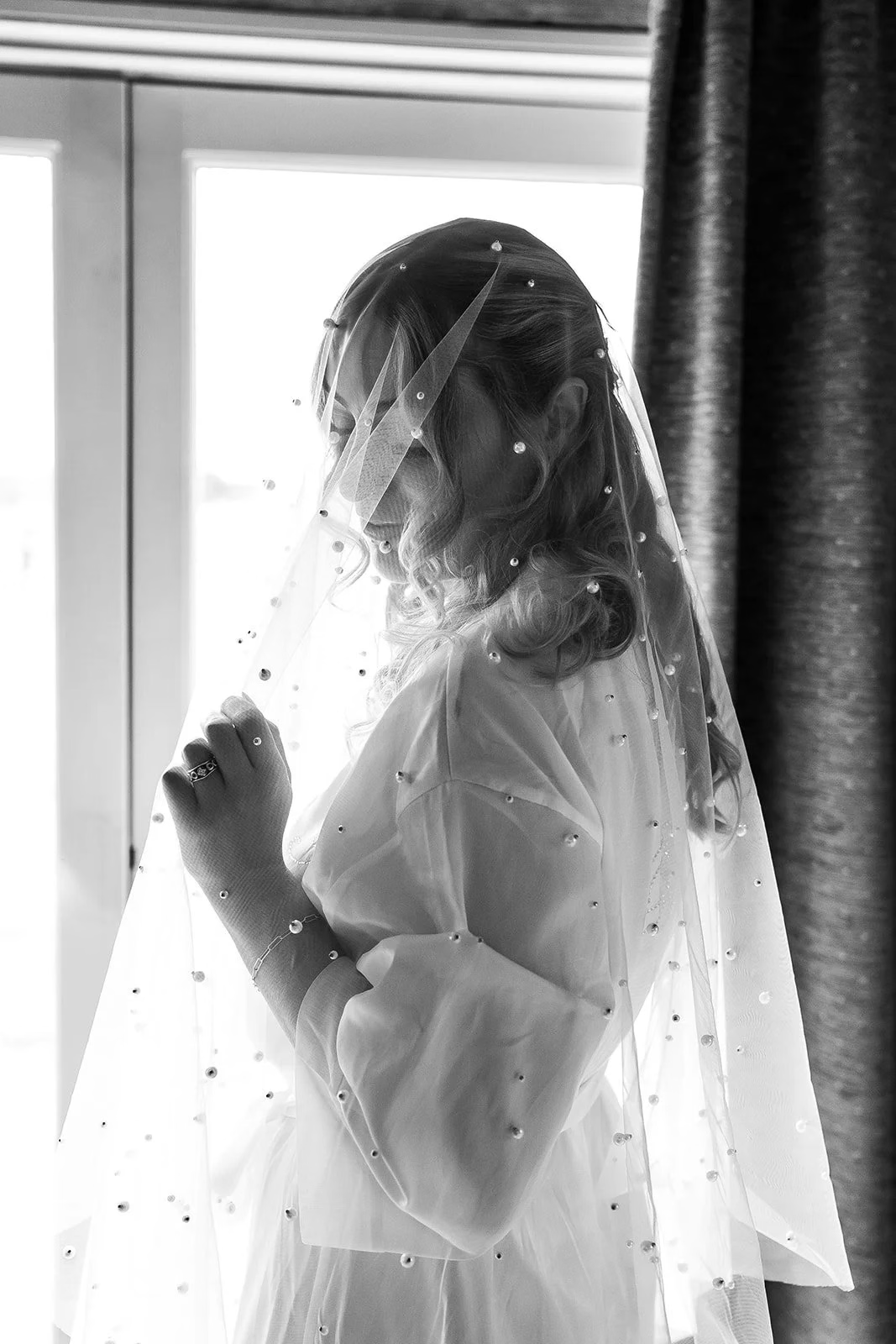
Something I really appreciate about your approach is the importance you place on preparation, while still allowing a wedding to unfold naturally. How do you work with couples before their wedding to help everything feel relaxed and unhurried on the day?
For me, good preparation starts with understanding what matters most to each couple. Before the wedding, I ask them to complete a questionnaire to learn about their plans and priorities. I also research the venue, thinking about the light, potential locations for portraits and the creative possibilities of the space.
I really appreciate it when couples involve me in their plans, whether they’re just starting to work out the timings or already have a schedule they’d like me to look over. It helps me understand not only what they’d love to have photographed, but also any practical limitations we might need to work around. If something looks too rushed, we can discuss what’s realistic and decide how best to approach it.
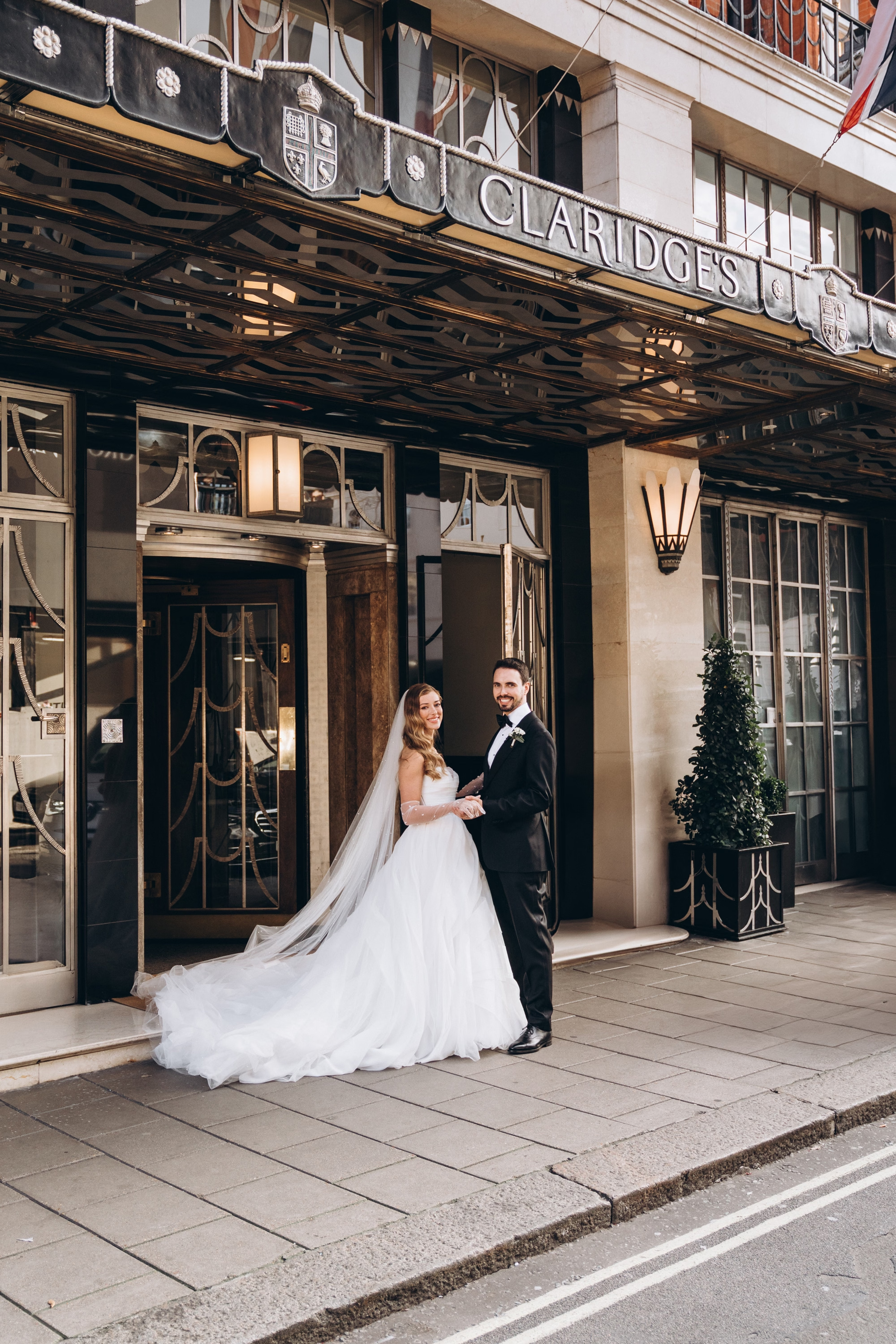
Knowing these things in advance can make a real difference. At one wedding I photographed at Claridge’s, I knew we’d have very little time for couple portraits, but the bride particularly wanted photographs on the hotel’s famous staircase. I didn’t want to spend those precious minutes figuring out the lighting on the day, so I researched the space, visited beforehand to study the natural light and tested which additional lighting would work best. By the time the wedding came around, I knew what would work and could concentrate on creating the photographs. The bride was absolutely delighted with the results.
If I could offer couples three pieces of advice, I’d say be open with your photographer about the photographs and people that matter most to you, don’t hesitate to ask for advice on your timings, and allow enough time for portraits, moving between locations and the little delays that can happen throughout the day.
Ultimately, I want couples to feel that the important things have been thought through, so they can enjoy their wedding while I take care of the photography.
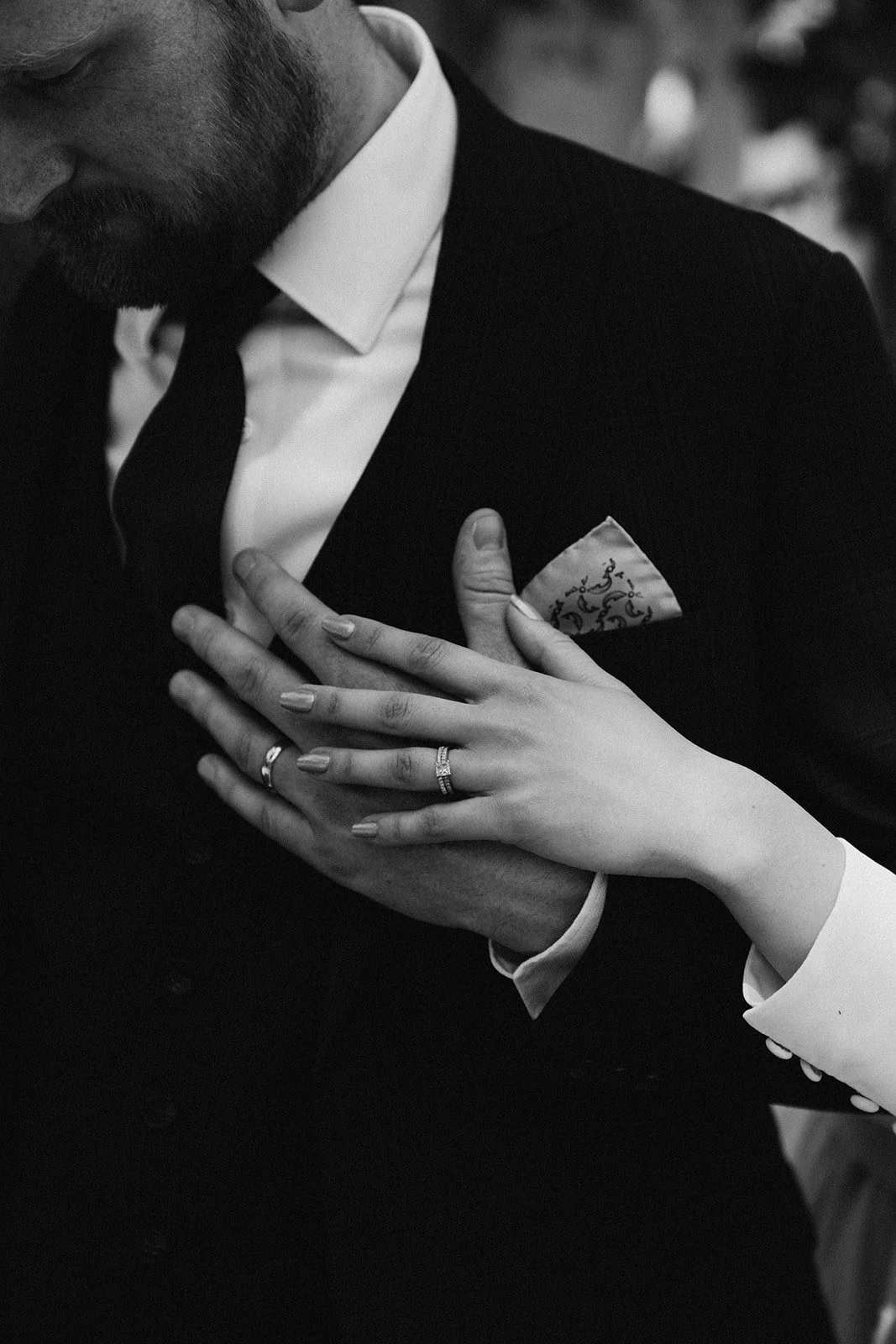
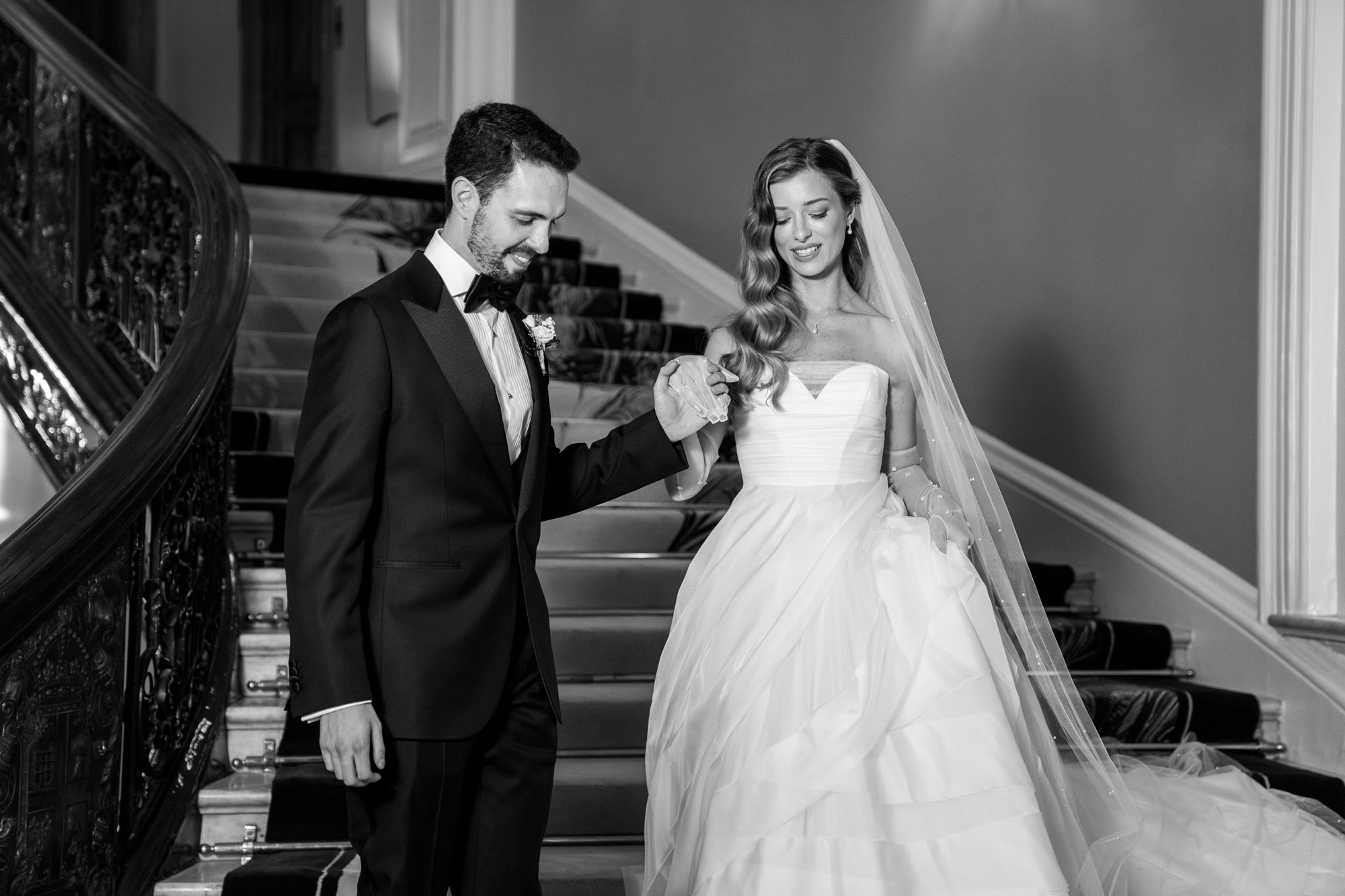
A wedding can change so dramatically in atmosphere as the day progresses, from the anticipation of getting ready to the emotion of a ceremony, an intimate candlelit dinner or a wonderfully energetic dance floor. How do you approach photographing all these different moods while maintaining your distinctive artistic style?
One of the things I find most fascinating about weddings is how much the emotional atmosphere changes throughout the day. I love noticing those shifts and finding different ways to express them through photography.
There’s often a particular kind of anticipation in the morning, when the couple are getting ready separately, surrounded by the people closest to them. There’s excitement, sometimes nervousness, and those quiet moments when the significance of what’s about to happen begins to sink in.
Then comes the ceremony, with all its intensity, followed by that wonderful release of emotion afterwards, the congratulations, embraces and laughter. Speeches can bring another wave of emotion, sometimes in a completely unexpected way. And by the evening, the atmosphere often changes again as everyone relaxes and throws themselves into the celebration.
Of course, every wedding has its own rhythm, and that’s what makes it interesting. I don’t want to impose a particular mood on the photographs, but I do want the way I photograph each part of the day to reflect how it actually feels.
Sometimes that means quiet compositions and beautiful natural light. At other times, I might use flash for a more expressive portrait or experiment with movement, longer exposures and light trails to capture the energy of the dance floor.
Marianne and Hugo’s wedding is a lovely example. Their ceremony at St Mary Abbots had such a beautiful sense of tradition and intimacy, while the Scottish dancing later in the evening was full of movement and excitement. Those moments called for very different visual approaches, and I think that contrast is part of what makes their story so interesting.
I begin thinking about the finished gallery while I’m photographing, making sure I capture a variety of wider scenes, closer portraits and details. When I put everything together, I see it as one big story made up of smaller stories, almost like chapters in a book. I look for a sense of rhythm and avoid unnecessary repetition, although sometimes two similar photographs reveal completely different emotions.
The same principle applies to editing. I aim for consistent colours and natural skin tones, while allowing the brightness, shadows and contrast to reflect the atmosphere of each scene.
I want the gallery to feel visually connected without making every moment look or feel the same. Years later, I hope couples can look through it and remember not just the events of their wedding, but all the different emotions that made up the day.
Finally, what would you most love couples discovering your work through Love My Dress to know about you, and the experience of having you photograph their wedding?
I hope couples come to me because they love the way I see people and emotion. What excites me is discovering what’s distinctive about their own wedding, rather than trying to make it look like anyone else’s.
I prepare carefully and take the photographs we’ve discussed seriously. But I’m always looking beyond the plan, too: for an unexpected composition, a beautiful piece of light or a moment unfolding somewhere nobody thought to look.
I can be quite ambitious creatively. I love portraits with character, exploring unusual perspectives and finding possibilities in places or lighting conditions that might initially seem difficult. For those photographs, the best results come from working together. I bring the ideas and guidance, and the couple gives us the time and openness to explore them. They don’t need to know how to pose or pretend to be someone they’re not.
I care just as much about how people feel around me. It means a great deal when couples tell me they felt comfortable and supported throughout the day, especially when they mention that their families and guests felt the same.
I think I’m particularly suited to couples who appreciate photography as something creative and personal, but don’t want their wedding to revolve around it. People who are excited by artistic ideas and happy to explore them with me.
And when choosing a photographer, I’d always encourage couples to look at a complete wedding gallery, not only a selection of beautiful portraits. Notice what they do with the quieter moments, the less predictable parts of the day, and read what other couples say about the experience.
Ultimately, I hope that alongside the photographs my couples knew they wanted, they’ll discover a few they hadn’t even imagined, but that feel completely and unmistakably theirs.
Connect with Kseniia Sokolenko Photography
If you’re encouraged by this interview and would like to learn more, you can connect with Kseniia Sokolenko via email on [email protected]. You can also find Kseniia on Instagram at @photo.kseniia